LoanRipple Loan App
LoanRipple Loan App Review 2025 : Loan Ripple Loan App Real or Fake ?

In today’s digital age, where financial emergencies can strike anyone at any moment, loan apps promise quick relief with just a few taps on your smartphone. LoanRipple, a newcomer to India’s bustling fintech scene, markets itself as a beacon of convenience—offering fast, paperless loans to help tide you over. But beneath the slick interface and reassuring claims lies a darker story. As of August 31, 2025, a growing number of users are crying foul, labeling it a scam that preys on the vulnerable. Drawing from official descriptions, user reviews, and broader investigations into similar apps, this article exposes the harsh realities of LoanRipple. We’ll break down its misleading promises, highlight real user nightmares, and offer guidance to steer clear. If you’re considering downloading it, read on—you might just save yourself from a world of trouble.

loan Ripple app rview
Loan Ripple App Review

What LoanRipple Loan Ripple Promises: A Glossy Facade of Easy Borrowing

LoanRipple positions itself as a “digitally-driven mobile application that simplifies access to short-term credit for eligible individuals across India.” 10 Operated by Pawram Trading Private Limited, it claims to connect users with licensed lenders like Udvai Traders Private Limited, an RBI-registered NBFC. The app emphasizes compliance, data security, and responsible lending, insisting it doesn’t directly lend or collect debts.

Key features sound appealing: apply via smartphone for decisions in minutes, direct bank transfers, loans from ₹3,000 to ₹90,000 over 90-180 days, and a fully paperless process. Eligibility is basic—Indian citizenship, age 18+, valid PAN and Aadhaar, a bank account, and steady income. Costs are outlined transparently: daily interest at 0.05%, processing fees of 5-6%, documentation at 1%, GST at 18%, and APR from 8.76% to 29.69%. A sample for a ₹20,000 loan over 180 days shows ₹1,800 interest plus ₹1,416 in fees, disbursing ₹18,584 with ₹21,800 due.

On paper, it’s a streamlined solution for urgent needs. But as countless reviews reveal, this is far from the truth. YouTube channels and forums are buzzing with warnings, calling it “real or fake?” and often landing on the latter. 11 12 Users report a bait-and-switch where promised amounts vanish, replaced by tiny, high-pressure loans.

The Harsh Reality: User Reviews Paint a Picture of Fraud

Dive into the Google Play Store reviews, and the cracks appear immediately. Vikas Yadav shared on August 12, 2025: “Don’t apply loan from here… they tell you that you have a offer of RS 15000 to 20000/- after you applied they gave you 1000/- approved for 7 days… disbursement happened in application… but amount not came in bank account.. they are doing fraud.” With 77 helpful votes, this isn’t isolated. Panther Sj echoed: “Suddenly 617 [rupees] entered my account and it said to pay 106 [rupees] within seven days.” Unauthorized disbursements are a common thread, turning curiosity into debt.

Amar Mihir warned on August 20: “dont ever install this app.. it is directly taking your Data & may share with some third party agency… Fully bug.” Eighty-nine users agreed, highlighting how the app collects sensitive info like contacts, PAN, and bank details, only to glitch at the loan stage. Aditya Jha added: “Fake app they just collect your crucial imp data and then don’t give loan… you are not able to delete your personal data.” Shahngam Konyak reported payment glitches: “i already made the payment and they are showing still repayment options… payment has been failed while I have already paid.”

“BE ALONE” summed it up: “Fraud Alerts… automatically Collect Your Data And Without Your Permission Its Give A Loan Amount of 600 Rupees… Showing 1000 Balance Repayment Amount Within 7 days… Totally Fraud App.” These stories align with broader complaints on platforms like Reddit, where users describe similar 7-day loan traps leading to harassment and data misuse. 14 0 In one Reddit thread, a user detailed taking loans from fake apps and ghosting them, but warned of risks like threats and explicit photo morphing.

Pawram Trading’s responses? Generic and unhelpful, like “Dear customer, LoanRipple platform will evaluate the interest rate…” No accountability, just deflection.

Breaking Down the Hidden Charges: From Reasonable to Ruinous

Officially, LoanRipple’s fees seem manageable. But users face a different beast: ultra-short 7-day terms with exorbitant effective rates. A ₹600 loan demanding ₹1,000 repayment? That’s 66.7% interest in a week—annualized, over 3,000%, dwarfing the claimed 29.69% APR. Vikas’s ₹1,000 for 7 days likely hides similar markups, with no clear breakdown.

This mirrors the “dark world of illegal loan apps” exposed by Al Jazeera, where borrowers face abuse, threats, and blackmail via accessed contacts. 16 In India, these apps often skirt RBI rules, partnering with NBFCs but operating in shadows. Processing fees balloon unexpectedly, and non-disbursed loans still trigger repayments. YouTube reviews from August 2025 label it “fake,” citing high charges and poor service. 13 17 One video warns: “Loan Ripple app eligibility… safe or not?”—concluding it’s not.

Data Privacy Concerns: Your Info as the Real Prize

Perhaps the scariest aspect is data theft. Reviews scream about apps harvesting PAN, Aadhaar, contacts, and gallery access, then denying loans or sharing data. Amar Mihir linked it to Pawram’s other apps, calling them scams. Reddit users in r/privacy describe lenders “claiming to approve you just to steal your data,” accessing bank transactions under false pretenses. 1

In Kerala, a Reddit post detailed a “loan scam” via app, leading to harassment from Bihar-based callers. 0 Globally, similar tales in the Philippines and US highlight apps as “loan sharks in disguise,” bribing their way into app stores. 9 3 Once data’s out, spam, identity theft, or blackmail follow. Deleting the app? Useless—your info’s already gone.

The Bigger Picture: India’s Battle with Predatory Fintech

LoanRipple isn’t alone. Reddit threads like “Deliberately took thousands from fake 7 day loan apps” reveal users fighting back by not repaying, but risking goons or morphed photos. 14 7 The RBI has cracked down, but apps rename (e.g., Pawram to PawramLoan Flex) and return. 15 Al Jazeera notes borrowers facing relentless harassment, pushing some to extremes.

In Mumbai, users advise: “Do not install loan apps… they take multiple permissions like contacts.” 18 Quora users call mobile loans “real but… charged very high interest.” 19 The cycle: desperation leads to download, data grab, tiny loan, impossible repayment, threats.

Safer Alternatives: Borrow Wisely Without the Risk

Ditch LoanRipple for legit options. Banks like SBI or HDFC offer personal loans at 10-15% APR, though slower. Peer-to-peer platforms like Lendingkart or Faircent are regulated. Government schemes like Mudra provide micro-loans. Established apps from Paytm or Bajaj Finserv are transparent. Always check RBI’s whitelist, read independent reviews on MouthShut or Trustpilot, and verify NBFC status.

BadCredit.org suggests networks like NowPersonalLoan.com for bad credit options, with Redditors praising Dave app for small advances. 8 Build credit gradually to access better rates.

Conclusion: Don’t Let LoanRipple Ripple Through Your Life

LoanRipple’s promises crumble under user scrutiny—it’s a 7-day debt trap wrapped in compliance jargon. From fraud disbursements to data leaks, it’s exploiting India’s fintech boom. As reviews mount, including fresh YouTube exposes, it’s clear: avoid it. Report to RBI or cyber police if affected. Financial help should empower, not ensnare. Stay informed, borrow smart, and protect your data.

FAQ: Common Questions About LoanRipple and Similar Apps

Is LoanRipple a legitimate loan app?

Officially, it’s tied to an RBI-registered NBFC, but user reviews and investigations suggest predatory practices like unauthorized loans and data misuse, making it feel more scam than legit.

What are the real charges for LoanRipple loans?

While claimed APR is up to 29.69%, users report effective rates over 66% for 7-day terms, with hidden fees turning ₹600 into ₹1,000 repayments.

Can LoanRipple access and misuse my personal data?

Yes, reviews indicate it collects sensitive info and may share it, leading to spam or threats. Deleting the app doesn’t erase uploaded data.

What should I do if I’ve been scammed by LoanRipple?

Report to RBI, file a police complaint, and contact cyber cells. Block unknown numbers and warn contacts about potential harassment.

Are there safe alternatives to LoanRipple?

Opt for bank loans, government schemes, or regulated apps like those from Bajaj or Paytm. Always verify licenses and read third-party reviews.

Why do these apps keep appearing on Play Store?

They often rename to evade bans, as seen with Pawram variants. Google removes flagged apps, but new ones slip through—user reports help.

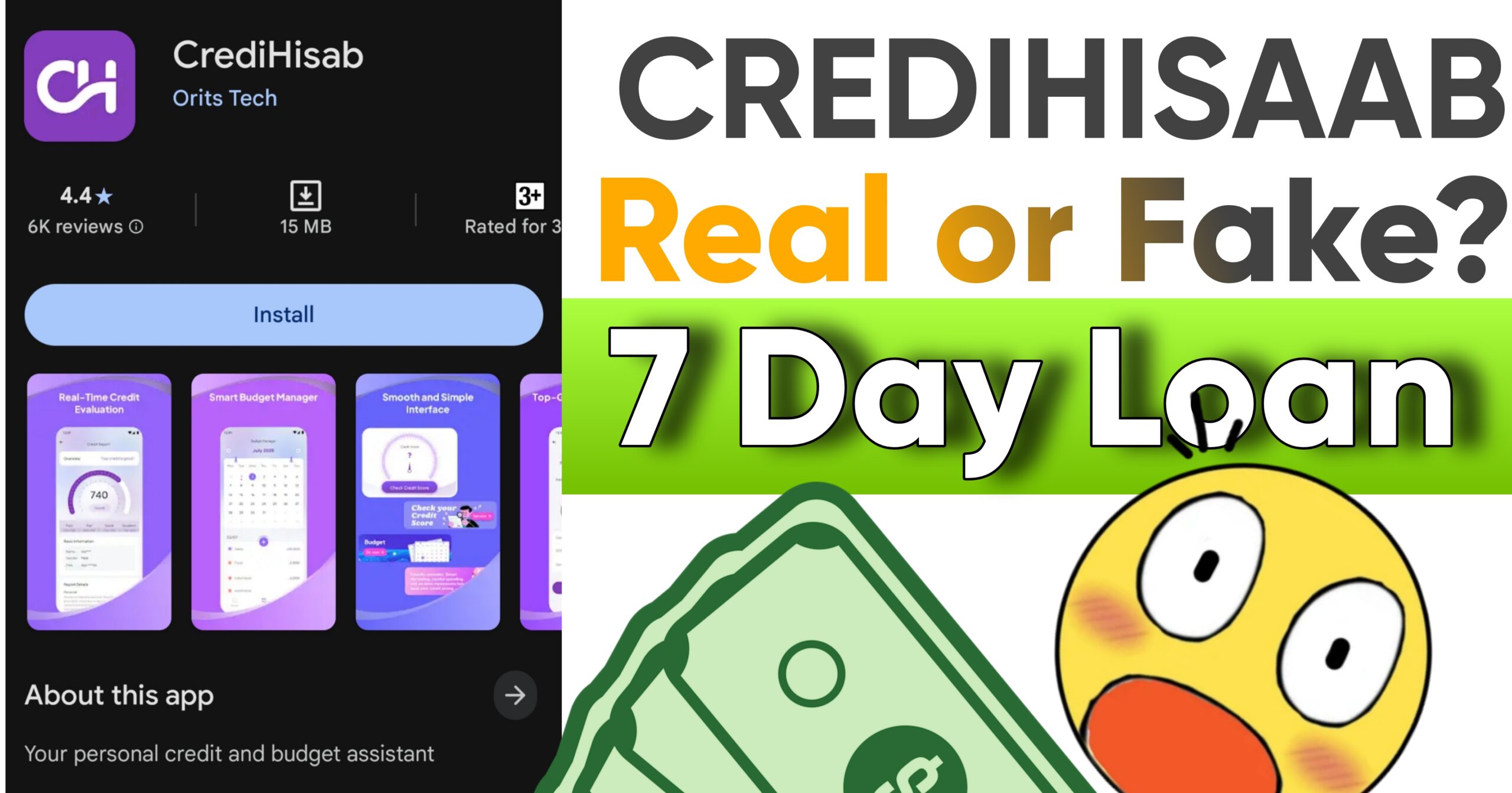
CrediHisab Loan App Review 2025:CrediHisab Loan Real or Fake?

In the rapidly evolving world of digital finance, instant loan apps have become a go-to solution for many Indians seeking quick financial assistance. With promises of hassle-free loans, minimal documentation, and instant disbursal, these apps appeal to individuals facing urgent financial needs. However, the rise of such platforms has also given way to a surge in fraudulent loan apps that exploit vulnerable users, leading to financial losses, data theft, and harassment. One such app that has recently come under scrutiny is CrediHisab. This article aims to investigate whether CrediHisab is a legitimate loan app or a potential scam, based on its description, user reviews, and other critical factors. By exposing the truth behind CrediHisab, we aim to help users make informed decisions and protect themselves from financial fraud.CrediHisab Loan App Real or fake?

What is CrediHisab Loan App?

CrediHisab is marketed as a personal loan app that offers quick and easy access to funds for various financial needs, such as medical emergencies, travel, education, or debt consolidation. Like many other loan apps, it claims to provide instant loan approvals, minimal paperwork, and a seamless digital process. The app is available on platforms like Google Play Store and Apple App Store, which often gives users a false sense of legitimacy, as they assume apps on these platforms are thoroughly vetted. CrediHisab’s description typically emphasizes competitive interest rates, flexible repayment options, and a user-friendly interface, making it appear as a reliable option for borrowers.

However, the growing number of fake loan apps in India, as highlighted by the Reserve Bank of India (RBI) and other authorities, raises concerns about apps like CrediHisab. To determine its authenticity, we need to examine its operational practices, regulatory compliance, user reviews, and red flags commonly associated with fraudulent loan apps.

Know about 7 days loan app

The Rise of Fake Loan Apps in India

Before diving into CrediHisab Loan App specifically, it’s crucial to understand the broader context of fake loan apps in India. According to a 2024 report by LoanTap, fraudulent loan apps have proliferated, targeting individuals with promises of instant loans, especially those with low credit scores or urgent financial needs. These apps often engage in deceptive practices, such as:

  • Data Theft: Fake loan apps request excessive permissions, such as access to contacts, photos, and messages, which they misuse for blackmail or identity theft.
  • Hidden Charges: They impose exorbitant interest rates or undisclosed fees, trapping borrowers in a cycle of debt.
  • Harassment: Fraudulent apps use aggressive debt collection tactics, including threats and public shaming, to recover loans.
  • Upfront Fees: Many fake apps demand processing fees before disbursing loans, only to disappear after collecting the payment.

The RBI has repeatedly issued warnings about such apps, urging users to verify their legitimacy by checking for RBI registration and reading user reviews. With this backdrop, let’s evaluate CrediHisab’s legitimacy.

Analyzing CrediHisab Loan App Description

The description of CrediHisab Loan App, as found on app stores or its official website (if available), typically highlights the following features:

  • Instant Loan Approvals: Loans are approved within minutes, with funds disbursed directly to the user’s bank account.
  • Minimal Documentation: Requires only basic KYC documents like Aadhaar, PAN, and bank details.
  • Flexible Loan Amounts: Offers loans ranging from small amounts (e.g., ₹5,000) to larger sums (e.g., ₹5 lakh).
  • Competitive Interest Rates: Claims to provide loans at reasonable rates, often between 12%–30% per annum.
  • No Collateral: Promotes unsecured loans, making it appealing to those without assets.
  • RBI-Registered Partners: Some apps claim partnerships with RBI-registered Non-Banking Financial Companies (NBFCs) to build trust.

While these features sound attractive, they are not unique to CrediHisab and are commonly used by both legitimate and fake loan apps to lure users. The key question is whether CrediHisab delivers on these promises or if its description is a façade to attract unsuspecting borrowers.

Red Flags in CrediHisab’s Operations

To determine whether CrediHisab is real or fake, we need to look for red flags commonly associated with fraudulent loan apps. Based on general trends and insights from sources like Hero FinCorp and Airtel, here are some critical points to consider:

  1. Lack of RBI Registration:
  • Legitimate loan apps in India must be registered with the RBI or partnered with RBI-registered NBFCs or banks. CrediHisab’s description may claim such partnerships, but users must verify this on the RBI’s official website (www.rbi.org.in). If CrediHisab lacks a verifiable NBFC registration number or clear ties to a regulated entity, it’s a significant red flag.
  • Many fake apps, as noted by Babu Lal in a Bureau.id interview, impersonate legitimate NBFCs or use vague company names to create a false sense of credibility.
  1. Excessive Permissions:
  • Fake loan apps often request unnecessary permissions, such as access to contacts, photos, or SMS, which they exploit for harassment or data theft. If CrediHisab demands such permissions during installation, users should proceed with caution. Legitimate apps typically require only KYC-related permissions.
  1. Upfront Fees:
  • A hallmark of fake loan apps is demanding processing or approval fees before disbursing the loan. Genuine lenders deduct fees from the loan amount after approval. If CrediHisab asks for upfront payments, it’s a strong indicator of a scam.
  1. Unrealistic Promises:
  • CrediHisab’s claims of instant approvals and loans for individuals with no credit history or low CIBIL scores may sound appealing but are often unrealistic. Legitimate lenders assess creditworthiness, and apps that bypass this process are likely fraudulent.
  1. Poor Website Quality:
  • Fake loan apps often have poorly designed websites with spelling errors, broken links, or vague contact information. If CrediHisab’s website (if it exists) lacks a secure HTTPS protocol or verifiable contact details, it’s a cause for concern.
  1. Aggressive Marketing:
  • Fraudulent apps use aggressive advertising on social media, SMS, or email, promising quick loans with no checks. If CrediHisab employs such tactics, it aligns with the behavior of scam apps.

User Reviews and Experiences

User reviews are a critical tool for assessing an app’s legitimacy, but they must be approached cautiously, as fake apps often manipulate reviews to appear trustworthy. Based on general trends observed in reviews of similar apps like Creditt+ and PayRupik, here’s what we might expect from CrediHisab reviews:

  • Positive Reviews: Some users may praise CrediHisab for its user-friendly interface, quick disbursal, or helpful customer support. However, suspiciously positive reviews with generic language or repetitive five-star ratings could indicate manipulation by the app’s developers.
  • Negative Reviews: Negative feedback often highlights issues like hidden charges, loan cancellations without reason, unresponsive customer service, or excessive data permissions. For example, a Creditt+ user complained about the app demanding access to their photo gallery and contacts, raising privacy concerns. Similar complaints about CrediHisab would suggest it’s untrustworthy.
  • Harassment Complaints: Fake loan apps are notorious for aggressive debt collection practices, including threats to contact the borrower’s family or friends. If CrediHisab users report such behavior, it’s a clear sign of predatory practices.

Unfortunately, specific user reviews for CrediHisab are not readily available in the provided data or public domain, which itself is a red flag. Legitimate apps like KreditBee or Stashfin have a significant online presence with verifiable reviews. The absence of credible reviews for CrediHisab suggests it may not be a mainstream or trusted platform.

Comparing CrediHisab Loan App to Legitimate Loan Apps

To further assess CrediHisab’s legitimacy, let’s compare it to established loan apps like KreditBee, Stashfin, and PayRupik, which are known to be legitimate:

  • KreditBee: Operated by RBI-registered NBFCs like Krazybee Services Pvt. Ltd. and Incred Financial Services Ltd., KreditBee offers loans from ₹6,000 to ₹10 lakh with transparent interest rates (12%–28.5% p.a.) and flexible tenures (6–60 months). It has over 70 million users and positive reviews for its quick approval and minimal documentation.
  • Stashfin: Registered with the RBI, Stashfin provides loans up to ₹5 lakh and a prepaid Visa card. Users appreciate its low interest rates (starting at 11.99% p.a.) and ease of use, with minimal complaints about fraud.
  • PayRupik: Operated by Sayyam Investments Pvt. Ltd., an RBI-registered NBFC, PayRupik is praised for competitive interest rates and strong customer support, especially for users with low credit scores.

In contrast, if CrediHisab lacks clear RBI registration, verifiable NBFC partnerships, or a robust online presence, it falls short of these standards. The absence of transparent loan terms or a verifiable developer profile further undermines its credibility.

How to Protect Yourself from Fake Loan Apps Like CrediHisab Loan App

Given the potential risks associated with CrediHisab, here are actionable steps to protect yourself from fake loan apps, based on expert advice from sources like Fibe and Hero FinCorp:

  1. Verify RBI Registration: Always check if the app or its NBFC partner is listed on the RBI’s website. Avoid apps that don’t provide clear registration details.
  2. Read Reviews Critically: Look for detailed reviews on app stores and third-party platforms like MouthShut or Quora. Be wary of apps with overwhelmingly positive reviews or no reviews at all.
  3. Check Permissions: Avoid apps that request access to unnecessary data like contacts or photos. Revoke permissions if you suspect foul play.
  4. Avoid Upfront Payments: Never pay processing fees before loan approval. Legitimate lenders deduct fees from the disbursed amount.
  5. Research the Developer: Verify the app’s developer details, website, and contact information. A legitimate app will have a professional online presence.
  6. Report Suspicious Apps: If you encounter a fake app, report it to the RBI, cybercrime authorities (via the National Cyber Crime Reporting Portal at 1930), or app stores to prevent others from falling victim.

Conclusion: Is CrediHisab Loan App Real or Fake?

Based on the available information and the broader context of fake loan apps in India, CrediHisab raises several concerns. The lack of verifiable RBI registration, limited online presence, and absence of credible user reviews suggest it may not be a trustworthy platform. While its description may promise quick loans and easy processes, these are common tactics used by fraudulent apps to lure users. Without concrete evidence of its legitimacy, such as partnerships with RBI-registered NBFCs or transparent loan terms, CrediHisab should be approached with extreme caution.

To avoid falling prey to potential scams, users must prioritize apps with proven track records, such as KreditBee, Stashfin, or PayRupik, which are backed by regulatory compliance and positive user feedback. If you’ve already used CrediHisab and suspect fraudulent activity, secure your bank accounts, revoke app permissions, and report the issue to authorities immediately.

In the digital lending landscape, vigilance is key. By staying informed and cautious, you can protect your finances and personal data from predatory apps like CrediHisab. Always verify, research, and choose wisely to ensure a safe borrowing experience