Flash Loan App Review 2025 : Flash Loan App Real or Fake?
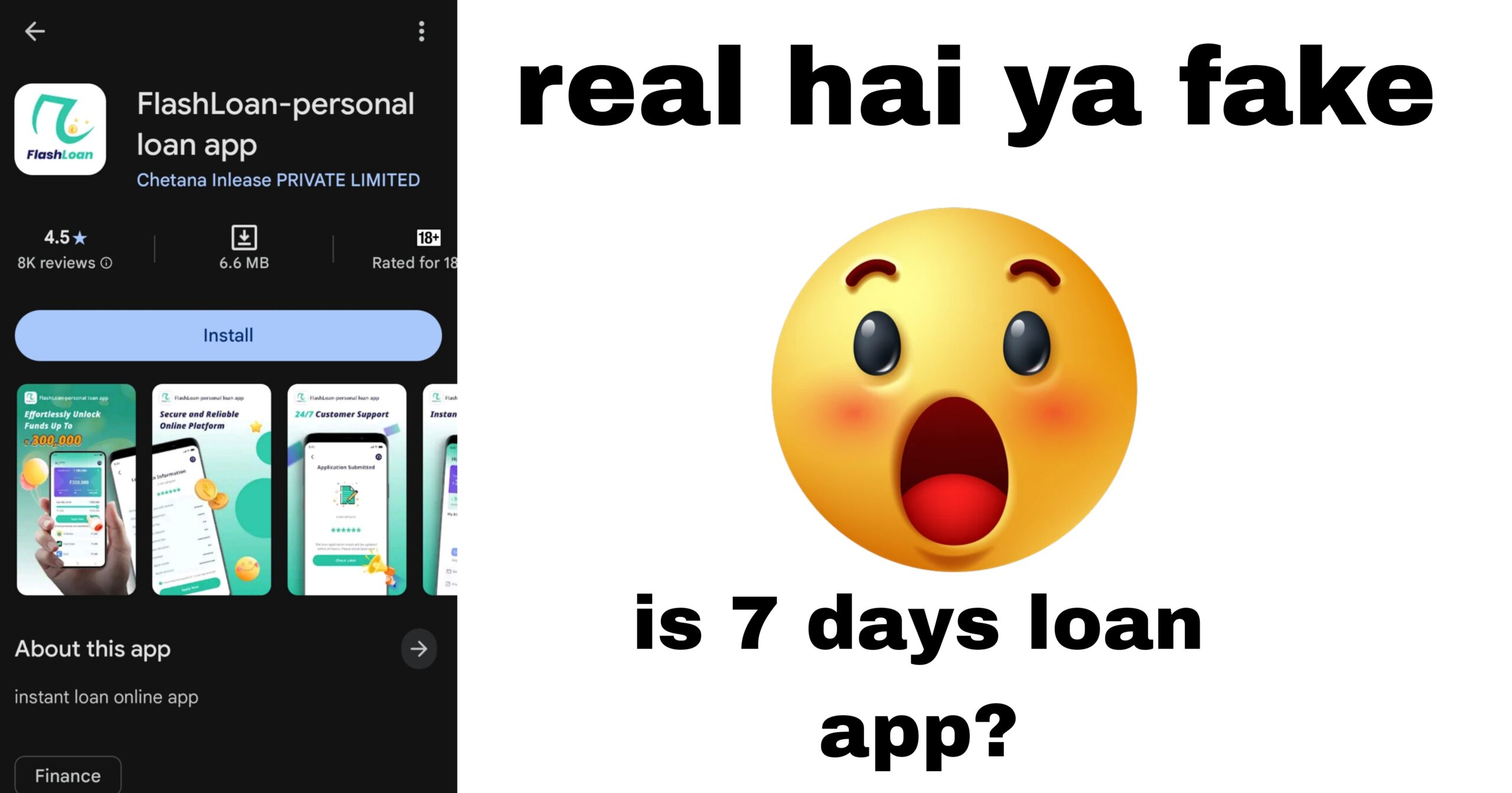
In the age of digital finance, instant loan apps have become increasingly popular, promising quick access to funds with minimal paperwork. Among these is the Flash Loan App Personal Loan App, which markets itself as an ideal solution for fast, secure, and affordable personal loans. However, user reviews and industry insights raise serious concerns about its legitimacy, safety, and ethical practices. This article delves into the app’s description, loan details, user reviews, and broader context to determine whether FlashLoan is a genuine lending platform or a potential scam. With a focus on exposing its practices, we analyze its claims, highlight red flags, and provide guidance on protecting yourself from such apps.

Flash loan App

About Flash Loan App Personal Loan App

According to the app’s description, FlashLoan positions itself as a user-friendly microfinance platform offering instant personal loans with the following features:

  • Loan Amount: ₹50,000 to ₹300,000
  • Maximum Annual Interest Rate: 14% per year
  • Loan Term: 91 days to 360 days
  • Handling Fee: Includes GST (e.g., ₹2,100 + ₹378 GST for a ₹70,000 loan)
  • Example Loan:
  • Loan Amount: ₹70,000
  • Tenure: 12 months
  • Monthly EMI: ₹6,017
  • Total Interest Payable: ₹5,204
  • Total Amount Due: ₹72,204
  • Total Cost of Loan: ₹7,304 (interest + handling fee)
  • Maximum Annual Percentage Rate (APR): 14%
  • Key Selling Points:
  • Low interest rates on instant loans
  • Hassle-free online loan application process
  • Fast approvals and instant disbursals
  • Flexible repayment terms
  • Partnerships with “leading financial institutions” for secure and reliable services

The app claims to collaborate with trusted lending partners, emphasizing transparency, security, and customer satisfaction. However, the lack of specific details about these partners, regulatory compliance, or a verifiable physical address raises immediate concerns. Let’s examine the app’s claims against user reviews and industry standards to uncover the truth.

know about 7 days loan app


User Reviews: A Disturbing Pattern

User reviews from 24th to 26th July 2025, as provided, paint a grim picture of FlashLoan’s operations. These reviews highlight consistent issues that align with common characteristics of fake loan apps, as outlined in various industry reports. Below is a detailed analysis of the complaints:

  1. Unauthorized Flash Loan Disbursals:
  • Multiple users report that FlashLoan disbursed loans without their consent. For instance, one user explored the app to check their loan limit (₹3,000) but did not proceed. Minutes later, they received ₹1,800 in their account, with the app demanding repayment of ₹3,000. Another user, Shaik Mohsin, filled in details to check eligibility and received ₹900 automatically, with a repayment demand of ₹1,500.
  • This practice is a hallmark of predatory loan apps, which exploit users by initiating unsolicited transactions to trap them into repayment cycles.
  1. Hidden Fees and Misleading Terms:
  • Users consistently note discrepancies between the loan amount disbursed and the repayment amount. For example, Bilal Ahmed received ₹3,600 against a shown limit of ₹6,000, with no clear explanation of the deducted amount (likely a processing fee). This lack of transparency contradicts the app’s claim of “low interest rates” and “flexible repayment terms.”
  • Legitimate lenders deduct fees from the loan amount after approval, not before disbursal, and clearly disclose all charges upfront. FlashLoan’s failure to provide detailed loan agreements or transparent fee structures is a major red flag.
  1. Short Repayment Periods:
  • Despite the app’s stated loan term of 91 to 360 days, user Koyyala Ganapathi reported being given only six days to repay, contradicting the advertised “flexible repayment terms.” Short repayment windows are a common tactic used by fake loan apps to pressure borrowers into default, enabling scammers to impose penalties or engage in harassment.
  1. Data Privacy Violations:
  • Several reviews accuse FlashLoan of leaking personal data, including contacts, photos, and SMS history. Koyyala Ganapathi alleged that the app created “nude edited pictures” using users’ photos and sent them to family members to extort repayment. Another user warned that the app shares data with entities in Pakistan or other countries, potentially for illegal purposes.
  • These allegations align with findings from Lookout, which discovered predatory loan apps requesting excessive permissions (e.g., access to contacts, messages, and photos) to misuse data for harassment or blackmail. Such practices violate RBI guidelines, which prohibit lenders from storing non-essential borrower data.
  1. Harassment and Threats:
  • Users report relentless harassment, including threatening messages from multiple numbers even after loan repayment. One user mentioned receiving fake legal notices via WhatsApp, a tactic used by scammers to intimidate victims. These actions mirror the Cyber Crime Wing’s advisory on fake loan apps like “Prime Lend” and “Candy Cash,” which engage in extortion through morphed images and public humiliation threats.
  1. Inaccessible Customer Support:
  • Multiple users struggled to contact FlashLoan’s customer service, citing invalid 11-digit phone numbers or unresponsive email support. Legitimate lenders provide clear contact information, including physical addresses and working phone numbers, as mandated by the RBI. FlashLoan’s lack of accessible support is a significant red flag.
  1. Fake Ratings and Reviews:
  • Bilal Ahmed claimed that the app’s high ratings are manipulated, a common tactic used by fraudulent apps to appear legitimate. This aligns with Airtel’s advice to scrutinize app store reviews, as fake loan apps often inflate ratings to lure users.

Red Flags of FlashLoan as a Potential Scam

Based on user reviews and industry insights, FlashLoan exhibits several characteristics of fake loan apps, as outlined by the RBI, Cyber Crime Wing, and financial experts:

  1. Lack of RBI Registration:
  • FlashLoan does not provide verifiable evidence of being registered with the Reserve Bank of India (RBI) or partnering with an RBI-registered NBFC. The RBI maintains a list of licensed financial institutions, and users are advised to verify a lender’s credentials on its official website. The app’s vague claim of collaborating with “leading financial institutions” without naming them is suspicious.
  1. Upfront Fees and Hidden Charges:
  • The app’s loan example mentions a handling fee (₹2,100 + ₹378 GST), but user reviews suggest additional hidden fees, with disbursed amounts significantly lower than shown limits. Legitimate lenders disclose all charges in a loan agreement and deduct fees post-approval, not before disbursal.
  1. Excessive Permissions:
  • FlashLoan’s reported requests for access to contacts, photos, and SMS history go beyond what is necessary for loan processing. This aligns with Lookout’s findings on predatory loan apps, which exploit such permissions for data theft and harassment.
  1. Aggressive Marketing and False Promises:
  • The app’s claims of “instant approvals,” “no hassle,” and “low interest rates” mirror the tactics of fake loan apps that use lucrative advertisements to lure users. Genuine lenders follow strict KYC protocols and evaluate creditworthiness, which FlashLoan appears to bypass.
  1. Impact on Credit Scores:
  • Users like Shaik Mohsin expressed concerns about unauthorized loans damaging their CIBIL scores. Fake loan apps can report false defaults to credit bureaus, harming borrowers’ financial futures. This underscores the need to monitor credit reports after interacting with such apps.
  1. No Physical Address or Legitimate Contact:
  • The absence of a verifiable physical office address or working customer support channels is a major warning sign. RBI-regulated lenders must provide clear contact information and grievance redressal mechanisms, which FlashLoan fails to do.

Comparing FlashLoan to Legitimate Lenders

To highlight FlashLoan’s shortcomings, let’s compare it to a legitimate lender like Fibe, which is RBI-regulated and transparent about its operations:

  • RBI Compliance: Fibe’s registration with the RBI can be verified on the central bank’s website, while FlashLoan provides no such assurance.
  • Transparency: Fibe offers clear loan agreements detailing interest rates, fees, and repayment terms, whereas FlashLoan’s terms are vague or misleading.
  • Customer Support: Fibe provides accessible support channels, unlike FlashLoan’s reported 11-digit phone numbers and unresponsive emails.
  • Data Privacy: Fibe adheres to RBI guidelines on data usage, while FlashLoan allegedly misuses personal information for harassment.

These differences underscore FlashLoan’s failure to meet industry standards for ethical lending.


How to Protect Yourself from Fake Loan Apps Like FlashLoan

Given the red flags, users must exercise caution when considering FlashLoan or similar apps. Here are actionable steps to avoid falling victim to loan scams:

  1. Verify RBI Registration:
  • Check the lender’s credentials on the RBI’s official website. Only borrow from apps partnered with RBI-registered NBFCs or banks.
  1. Read Reviews Critically:
  • Search for the app name with terms like “scam” or “complaints” on Google and app stores. Pay attention to patterns of negative feedback, as seen with FlashLoan.
  1. Check Permissions:
  • Avoid apps requesting excessive permissions (e.g., access to contacts or photos). Legitimate apps only require data essential for loan processing.
  1. Avoid Upfront Payments:
  • Never pay processing fees before loan approval. Legitimate lenders deduct fees from the disbursed amount.
  1. Report Suspicious Apps:
  • File complaints with the Cyber Crime Cell (www.cybercrime.gov.in), Google Play Store, or Apple App Store. Report to the RBI or local police if you’ve been scammed.
  1. Monitor Your Credit:
  • Regularly check your credit report via AnnualCreditReport.com or CIBIL to detect unauthorized loans or defaults.
  1. Use Trusted Platforms:
  • Opt for well-known, RBI-regulated apps like Fibe or Airtel Finance, which prioritize transparency and customer safety.

What to Do If You’ve Been Scammed by FlashLoan

If you’ve fallen victim to FlashLoan’s practices, take immediate action:

  1. Contact Your Bank:
  • Inform your bank about unauthorized transactions and request account freezes or new cards to prevent further fraud.
  1. File a Complaint:
  • Report the scam to the Cyber Crime Cell (www.cybercrime.gov.in), local police, and app stores. Provide evidence like screenshots, transaction records, and messages.
  1. Notify the RBI:
  • File a complaint with the RBI via its website or contact the Ombudsman for financial grievances.
  1. Secure Your Data:
  • Change passwords for compromised accounts and monitor for suspicious activity.
  1. Seek Legal Help:
  • Consult a lawyer or consumer protection agency to explore options for recovering losses or addressing harassment.

Conclusion: Is FlashLoan Real or Fake?

Based on user reviews and industry insights, FlashLoan Personal Loan App exhibits multiple characteristics of a fake loan app. Its unauthorized disbursals, hidden fees, short repayment demands, data privacy violations, and lack of accessible customer support align with the tactics of predatory lenders. The app’s failure to provide verifiable RBI registration or transparent loan terms further erodes its credibility. While it markets itself as a secure and affordable lending platform, the overwhelming evidence from user experiences suggests it is a scam designed to exploit vulnerable borrowers.

In 2025, as loan scams continue to rise in India, vigilance is crucial. Always verify a lender’s credentials, scrutinize app permissions, and avoid apps with suspicious reviews or practices. FlashLoan’s alarming track record serves as a cautionary tale, urging users to prioritize regulated platforms like Fibe or Airtel Finance for safe borrowing. By staying informed and cautious, you can protect your finances and personal data from predatory apps like FlashLoan.https://play.google.com/store/apps/details?id=com.hofund.pluspe

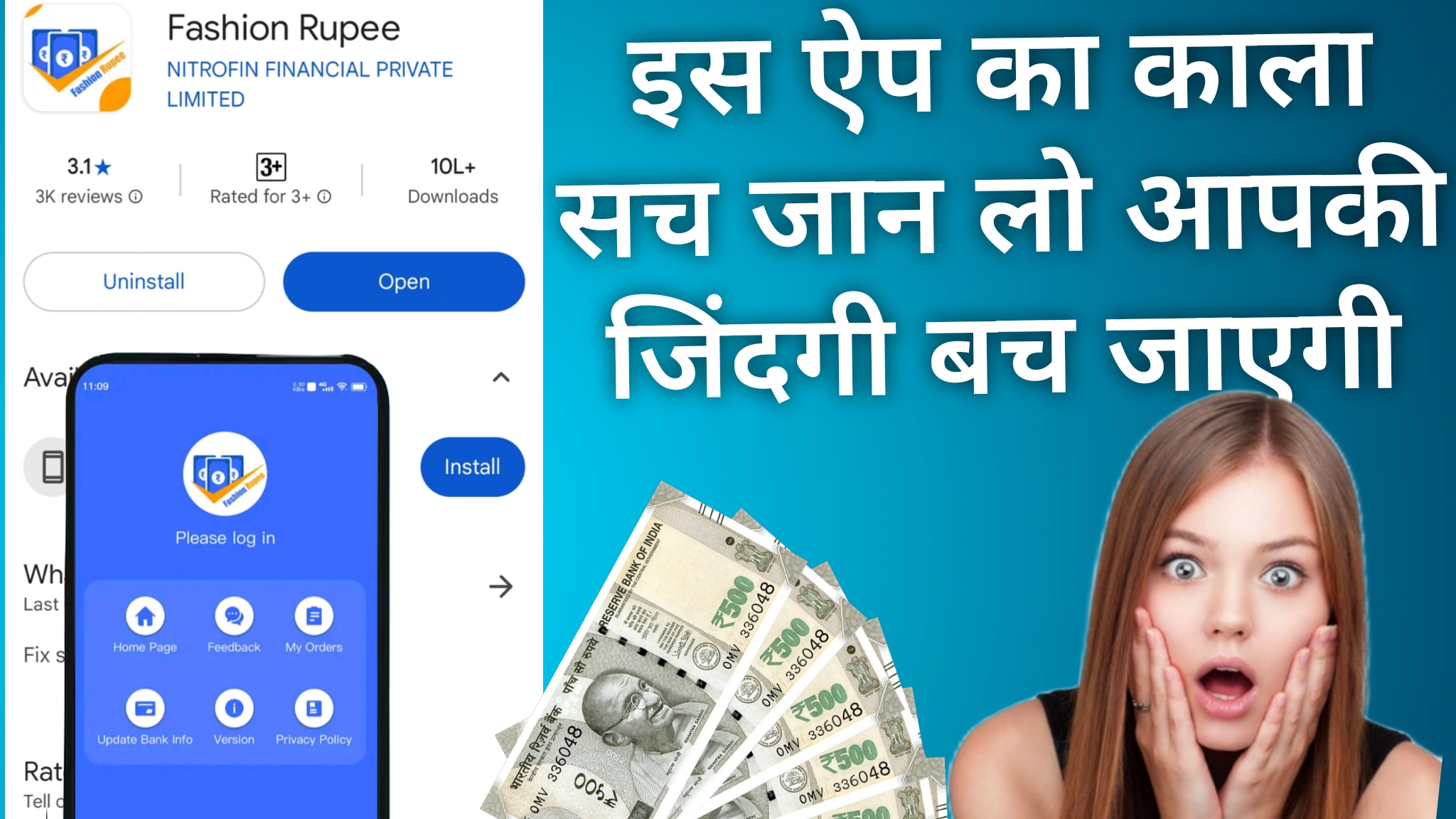
Fashion Rupee Loan App
Fashion Rupee Loan App Exposed: High Charges, 7-Day Loans, and Harassment Complaints

In the digital age, instant loan apps promise quick financial relief with just a few clicks. Fashion Rupee Loan App markets itself as a trustworthy platform, offering “efficient and personalized loan solutions” through its partner NBFC, Jayachelve Financing And Leasing Private Limited, which claims to be registered with the Reserve Bank of India (RBI). However, a closer look at customer reviews reveals a troubling reality: exorbitant charges, unauthorized loan disbursements, and aggressive harassment tactics. This article exposes Fashion Rupee’s deceptive practices, backed by real user experiences, and provides actionable advice to protect yourself from such predatory apps.

Fashion Rupee Loan App
Fashion Rupee Loan App Review

What is Fashion Rupee Loan App?

Fashion Rupee positions itself as an intermediary platform that connects borrowers with RBI-registered Non-Banking Financial Companies (NBFCs). According to its official description, the app offers:

  • Loan Amounts: ₹5,000 to ₹100,000
  • Maximum APR: 22%
  • Handling Fee: Up to 1% of the loan amount, plus 18% GST
  • Repayment Period: 100 to 730 days

The app highlights a 100% online application process, competitive interest rates, transparent processes, and robust data security. It targets Indian nationals aged 20 to 55 with stable income, emphasizing customer satisfaction and RBI compliance. On the surface, Fashion Rupee appears legitimate, with a professional interface and reassuring claims. However, customer feedback tells a starkly different story.

The Dark Reality: Customer Complaints

Hundreds of user reviews on platforms like Google Play Store expose Fashion Rupee as a predatory lender engaging in unethical and potentially illegal practices. Below are the key issues reported by users:

  1. Unauthorized Loan Disbursements
    Numerous users, including Adreena Jacob and Somesh Gulamkar, reported that Fashion Rupee credited loans without their consent. Jacob wrote, “I applied for a loan in the Fashion Rupee and without my consent, they disbursed the amount, and I am not able to cancel the same.” Gulamkar added, “I was checking for eligibility but never applied for any loan here. Today I got a call from an unknown number, and it’s showing an open loan whose due date is tomorrow.” Such practices trap users in debt they didn’t request, violating basic lending ethics.
  2. Sky-High Interest Rates and Hidden Fees
    While Fashion Rupee claims a maximum APR of 22%, users like NOOR E MUHAMMADI reported rates as high as 50%, describing it as “financial exploitation.” Poornima D shared, “I applied for a ₹3,000 loan amount, after deduction I got only ₹1,800, ₹1,200 got deducted as a processing fee and other charges, and the repayment amount is again ₹3,000.” This means users pay up to 66% more than the disbursed amount within a week, contradicting the app’s transparency promises.
  3. Misleading 7-Day Repayment Terms
    The app’s description mentions repayment periods of 100 to 730 days, but users consistently report being pressured to repay within 6–7 days. KRIPA MARIA stated, “They credited approximately ₹1,400 and asked me to pay approximately ₹3,500 on the 6th day from the disbursement.” This discrepancy suggests deliberate misrepresentation to lure users into high-pressure debt traps.
  4. Harassment and Blackmail Tactics
    The most alarming complaints involve harassment and blackmail. Users like Prathyusha Nimmanapalli and Nsunglo Patton reported that Fashion Rupee morphed their photos, sent abusive messages, and threatened to share humiliating content with their contacts. Patton warned, “They will morph our pictures and blackmail us that they will send to our contact list.” Such tactics are illegal and cause severe emotional and financial distress.
  5. Questionable RBI Compliance
    Fashion Rupee claims its partner NBFC is RBI-registered, but its practices—unauthorized disbursements, excessive charges, and coercive recovery methods—violate RBI’s digital lending guidelines. The RBI has cracked down on apps engaging in similar misconduct, banning platforms like Rupee Master and Flip Cash for predatory lending. Fashion Rupee’s actions align with these red flags, casting doubt on its legitimacy.

How Fashion Rupee Traps Users

Fashion Rupee follows a predatory playbook common among fake loan apps:

  • Deceptive Marketing: The app uses polished language, RBI registration claims, and promises of low rates to build trust.
  • Automatic Disbursements: Small loan amounts (₹1,400–₹2,000) are credited without user approval, creating unsolicited debt.
  • Hidden Costs: High processing fees (up to 40% of the loan) and interest rates far exceeding the advertised 22% inflate repayment amounts.
  • Aggressive Recovery: Users face relentless calls, abusive messages, and blackmail, often before the stated due date.
  • Data Misuse: The app accesses contacts and photos, using personal data to intimidate borrowers.

Red Flags of Predatory Loan Apps

To avoid apps like Fashion Rupee, watch for these warning signs:

  • No Loan Agreement: Legitimate lenders provide clear terms before disbursing funds. Fashion Rupee’s lack of transparency is a major concern.
  • Upfront Fees: RBI-approved lenders deduct fees from the loan amount, not beforehand. Fashion Rupee’s high processing fees reduce the disbursed amount significantly.
  • Negative Reviews: Hundreds of complaints about harassment and unauthorized loans signal a scam.
  • Short Repayment Periods: Promises of long tenures (100–730 days) that turn into 7-day deadlines indicate deception.
  • Coercive Tactics: Blackmail, morphed photos, and threats to contacts are illegal and unethical.

Is Fashion Rupee Legitimate?

While Fashion Rupee claims to partner with an RBI-registered NBFC, its practices suggest it operates in a legal gray area. The RBI’s guidelines prohibit unauthorized disbursements, excessive interest rates, and harassment, yet Fashion Rupee engages in all three. In recent years, the RBI has banned apps for similar violations, and Fashion Rupee’s patterns mirror those of blacklisted platforms. To verify an app’s legitimacy:

  • Check the RBI’s official website for the NBFC’s registration status.
  • Read user reviews on trusted platforms like Google Play Store.
  • Avoid apps requesting excessive permissions, such as access to contacts or photos.
  • File complaints via the RBI’s Sachet portal or the National Cyber Crime Reporting Portal (1930) if you suspect fraud.

How to Protect Yourself from Fake Loan Apps

To stay safe from predatory apps like Fashion Rupee:

  1. Choose RBI-Approved Apps: Opt for platforms like PhonePe, PaySense, or Fibe, which follow ethical lending practices.
  2. Check Reviews: Look for consistent complaints about high charges or harassment.
  3. Verify Terms: Ensure the loan agreement clearly outlines rates, fees, and repayment periods.
  4. Report Fraud: Contact the RBI, Google Play Store, or cybercrime authorities if you’re a victim.
  5. Limit Permissions: Deny apps access to contacts, photos, or other sensitive data beyond KYC requirements.

Conclusion: Avoid Fashion Rupee at All Costs

Fashion Rupee Loan App may appear legitimate with its RBI-registered NBFC claims and professional marketing, but user experiences reveal a predatory operation. Unauthorized disbursements, 50% interest rates, 7-day repayment demands, and blackmail tactics exploit vulnerable borrowers, causing financial and emotional harm. With thousands of complaints, Fashion Rupee is a textbook example of a fake loan app hiding behind a facade of legitimacy.

For safe borrowing, stick to RBI-approved platforms with transparent terms and positive reviews. If you’ve been affected by Fashion Rupee, report it to the RBI, cybercrime authorities, or Google Play Store, and warn others to steer clear. Protect your finances and peace of mind by avoiding this dangerous app.


Frequently Asked Questions (FAQs)

1. Is Fashion Rupee Loan App safe to use?
No, Fashion Rupee is not safe. Users report unauthorized loan disbursements, high interest rates (up to 50%), hidden fees, and harassment, including blackmail with morphed photos. These practices violate RBI guidelines and indicate a predatory app.

2. Does Fashion Rupee comply with RBI regulations?
While Fashion Rupee claims its partner NBFC is RBI-registered, its actions—such as unauthorized loans, excessive charges, and coercive recovery tactics—violate RBI’s digital lending guidelines, raising doubts about its compliance.

3. Why do users receive loans without consent?
Fashion Rupee often credits small loan amounts (₹1,400–₹2,000) without user approval to trap them in debt. This unethical practice forces users to repay with high interest and fees within days, as reported by many customers.

4. What should I do if Fashion Rupee is harassing me?
If you’re being harassed, take these steps:

  • File a complaint with the National Cyber Crime Reporting Portal (call 1930 or visit cybercrime.gov.in).
  • Report the app to the RBI via the Sachet portal.
  • Submit a complaint on Google Play Store to flag the app.
  • Block harassing numbers and avoid engaging with threats.
  • Consult a lawyer if the harassment involves morphed photos or data misuse.

5. How can I verify if a loan app is legitimate?
To check a loan app’s legitimacy:

  • Verify the NBFC’s RBI registration on the RBI website.
  • Read user reviews for complaints about fees, repayment terms, or harassment.
  • Ensure the app provides a clear loan agreement before disbursing funds.
  • Avoid apps requesting excessive permissions, like access to contacts or photos.

6. Are there safer alternatives to Fashion Rupee?
Yes, opt for RBI-approved apps like PhonePe, PaySense, Fibe, or MoneyView. These platforms offer transparent terms, reasonable interest rates, and ethical recovery practices, ensuring a safer borrowing experience.

7. Can I cancel a loan disbursed by Fashion Rupee?
Users like Adreena Jacob and KRIPA MARIA reported that Fashion Rupee does not allow loan cancellations after disbursement. Contact the app’s support (suggestions@nitrofinfinance.com) immediately, but be cautious, as they may not cooperate. Report the issue to the RBI or cybercrime authorities for assistance.

8. Why does Fashion Rupee charge such high fees?
Fashion Rupee deducts high processing fees (up to 40% of the loan) and charges interest rates far above the advertised 22%, as reported by users like Poornima D. These fees are designed to maximize profits, often leaving borrowers with less than half the requested loan amount.