Rupee Score Loan App
Rupee Score Credit Assistant Loan App Review 2025: Is Rupee Score Real or Fake?

In the fast-paced world of digital finance, instant loan apps have become a go-to solution for many Indians facing urgent cash needs. With the rise of fintech, apps promising quick approvals and hassle-free disbursals flood the Google Play Store. One such newcomer is the Rupee Score Credit Assistant Loan App, which has garnered over 100,000 downloads and boasts a 4.4-star rating shortly after its launch. But beneath the glossy interface and positive reviews lies a concerning pattern that raises red flags for potential users. In this comprehensive Rupee Score review 2025, we’ll dive deep into the app’s operations, features, charges, and user experiences to answer the burning question: Is Rupee Score real or fake?

Rupee Score Loan App
Rupee Score App Is A 7 Day Loan App So take your yourself if took loan from it

As we explore this Rupee Score loan app review, it’s essential to approach with caution. While the app markets itself as a “credit assistant” tool for checking credit scores and facilitating loans, reports and patterns suggest it may align with problematic practices seen in many short-term lending apps. If you’re searching for “Rupee Score real or fake” or wondering about its legitimacy, this article will expose the truths based on available data, user feedback, and industry insights.

What is Rupee Score Credit Assistant Loan App?

Launched in mid-2025, Rupee Score positions itself as a free credit score query tool tailored for Indian users. According to its Play Store description, it helps individuals assess their personal credit status and income levels quickly. However, a closer look reveals it doubles as a loan facilitation platform, offering instant personal loans with minimal documentation. The app claims to connect users with lenders for short-term borrowings, often in the range of ₹1,000 to ₹10,000 or more, depending on eligibility.

The app’s interface is user-friendly, with a simple registration process that requires basic KYC details like Aadhaar, PAN, and bank information. Once registered, users can check their credit scores for free and apply for loans directly through the platform. Disbursals are promised within minutes, making it appealing for emergencies like medical bills, utility payments, or unexpected expenses. With over 100,000 downloads in a short span and a solid 4.4-star rating, it appears legitimate at first glance. But as we’ll uncover in this Rupee Score review 2025, popularity doesn’t always equate to trustworthiness.

How Does Rupee Score Work?

To use Rupee Score, users download the app from the Google Play Store and create an account. The process involves:

  1. Registration and Verification: Provide mobile number, email, and basic personal details. The app then requests access to your device’s permissions, including call logs, contacts, camera, and gallery.
  2. Credit Score Check: Users can query their credit score for free, which is powered by integrations with credit bureaus like CIBIL or Experian. This feature is marketed as the app’s core utility.
  3. Loan Application: If eligible, users can apply for loans. The app assesses eligibility based on the credit score, income proof (often minimal), and other data. Loans are typically short-term, with repayment periods as brief as 7 days.
  4. Disbursal and Repayment: Approved amounts are transferred to the user’s bank account via UPI or IMPS. Repayments are auto-debited or manual, with reminders sent via notifications.

On paper, this seems straightforward. However, the devil is in the details, especially regarding permissions and charges, which we’ll expose next.

Key Features of Rupee Score Loan App

Rupee Score offers several features that attract users:

  • Free Credit Score Access: Instant checks without fees, helping users monitor their financial health.
  • Quick Loan Approvals: No lengthy paperwork; approvals in minutes for eligible applicants.
  • Flexible Loan Amounts: From small sums like ₹3,000 to higher limits based on credit profiles.
  • Mobile-Only Operation: Everything is handled via the app, no need for physical visits.
  • 24/7 Support: Claimed customer service through in-app chat or email.

These features sound promising, but they mask underlying issues that make Rupee Score a risky choice.

Red Flags: Exposing the Dark Side of Rupee Score

While the app’s rating and downloads suggest reliability, digging deeper reveals patterns common to predatory loan apps, often linked to Chinese origins or unregulated entities. Here’s a breakdown of the concerns that scream “Rupee Score real or fake?”:

1. Short-Term Loans with Exorbitant Charges

Rupee Score operates as a typical 7-day loan app, a model notorious for trapping users in debt cycles. For instance, on a ₹3,000 loan, users report being charged up to ₹1,300 in processing fees, interest, and other hidden costs. This translates to an effective annual percentage rate (APR) that can exceed 100% or more—far beyond what regulated lenders offer.

Such high charges are a hallmark of illegal or unregulated apps. Legitimate RBI-approved lenders cap interest at reasonable levels, but Rupee Score’s fee structure exploits desperate borrowers. Users often end up repaying nearly double the borrowed amount within a week, leading to financial strain. If you’re searching for “Rupee Score loan app charges,” this is a major red flag exposing its predatory nature.

2. Excessive Permissions: Access to Call Logs and Contacts

One of the most alarming aspects is the app’s demand for access to call logs, contacts, SMS, and even your gallery and camera. While some permissions are standard for KYC, Rupee Score goes overboard. Why does a credit assistant need your entire contact list?

The answer lies in harassment tactics. If repayments are delayed—even by a day—the app’s recovery agents reportedly start calling your contacts, sharing embarrassing details about your debt. This violates privacy laws and aligns with practices exposed in investigations of Chinese loan apps, where data is misused for coercion. 25 Borrowers have shared stories of family members and colleagues being harassed, creating social stigma.

3. Harassment and Blackmail: Photo Morphing and Public Shaming

Taking it a step further, Rupee Score has been accused of morphing users’ photos—often taken during KYC—and circulating them publicly if loans aren’t repaid on time. This includes editing images into obscene content and sharing them on social media or with contacts. Such tactics are not just unethical; they’re illegal under India’s IT Act and data protection laws.

User complaints echo those from similar apps like Cash Rupee or Safety Rupee, where borrowers face threats, abuse, and blackmail. 21 In extreme cases, this has led to severe mental health issues and even suicides, as highlighted in reports on illegal loan apps. 5 If Rupee Score is engaging in this, it firmly places it in the “fake” category, operating outside legal bounds.

4. Chinese Connections and Lack of Regulation

Many short-term loan apps, including those with “Rupee” in their name, trace back to Chinese developers or funding sources. Rupee Score’s origins raise suspicions, as it mirrors apps banned or flagged by the RBI for foreign ties and non-compliance. 29 The app isn’t listed among RBI-approved digital lenders, and its developer details are opaque. Without NBFC registration or adherence to fair lending practices, it’s operating in a gray area at best.

5. Inflated Ratings and Fake Reviews

A 4.4-star rating with over 100,000 downloads seems impressive, but savvy users know ratings can be manipulated. Filtering to 1-star reviews often reveals complaints about scams, hidden fees, and harassment. 22 New apps like this often boost ratings through paid promotions or bots, masking real user experiences.

6. No Transparency on Lenders

Rupe Score claims to partner with lenders, but details are scarce. Users report loans coming from unregulated entities, bypassing RBI guidelines. This lack of transparency is a classic sign of fake loan apps. 30

Is Rupee Score Real or Fake? Our Verdict

Based on the evidence, Rupee Score leans heavily toward being fake or at least highly risky. While it may disburse loans (making it “real” in a technical sense), its practices—high charges, invasive permissions, harassment, and potential foreign links—expose it as a predatory platform. It’s not RBI-approved, and its model exploits vulnerable users, often leading to debt traps and privacy violations.

If you’ve already used it and face issues, report to the RBI’s Sachet portal or cybercrime helpline (1930). Block the app’s access and seek legal advice if harassed.

Safer Alternatives to Rupee Score in 2025

Instead of risking with Rupee Score, opt for legitimate apps:

  • PaySense or MoneyTap: RBI-regulated, reasonable rates, no harassment.
  • CASHe or KreditBee: Quick loans with transparent terms.
  • Bank Apps like HDFC or SBI YONO: Secure, low-interest options.

Always check for RBI approval, read reviews critically, and avoid apps demanding excessive permissions. 26

Conclusion: Stay Away from Rupee Score

In this Rupee Score review 2025, we’ve exposed the app’s deceptive practices that prioritize profits over user safety. While it may seem like a convenient credit assistant, the risks of high charges, data misuse, and harassment far outweigh any benefits. If you’re asking “is Rupee Score real or fake,” the answer is clear: It’s a wolf in sheep’s clothing, potentially fake in its promises of fair lending.

For safe borrowing, stick to regulated platforms and build your credit score through responsible habits. Remember, if an app sounds too good to be true, it probably is. Share this article if you’ve encountered similar issues, and always prioritize your financial security.

New loan app

LoanRadar Loan
LoanRadar Loan App Review : LoanRadar Loan Real or Fake ?

In today’s fast-paced world, financial needs can arise unexpectedly, whether it’s for medical emergencies, education, travel, weddings, home renovations, or even shopping. Finding a reliable, transparent, and quick loan solution is crucial. LoanRadar, India’s trusted digital finance platform, is designed to meet these needs by offering a seamless, paperless, and fully online loan application process. As a loan intermediary platform, LoanRadar collaborates with RBI-registered Non-Banking Financial Companies (NBFCs) to recommend tailored financial products, ensuring instant approvals, quick disbursements, and complete transparency. This article explores the features, benefits, and application process of the LoanRadar app, making it an SEO-friendly guide for anyone seeking quick and reliable financial solutions in India.

What is LoanRadar?

LoanRadar is a cutting-edge digital platform that simplifies the process of obtaining personal loans, instant loans, and quick loan services in India. Unlike traditional lending institutions that involve lengthy paperwork and complex procedures, LoanRadar offers a 100% digital experience. The platform partners exclusively with RBI-registered NBFCs, such as D O S Lease & Finance Pvt. Ltd., to recommend financial products that suit your unique needs. LoanRadar does not provide loans directly but acts as an intermediary, ensuring you get access to trusted financial solutions with full transparency and no hidden charges.

Lending Partner Details

LoanRadar collaborates with D O S Lease & Finance Pvt. Ltd., a reputable NBFC with the following credentials:

  • Capital Source: D O S Lease & Finance Pvt. Ltd.
  • CIN: U65910DL1993PTC052192
  • NBFC License No.: B-14.01748
  • Website: https://www.doslease.co/

By partnering with such trusted financial institutions, LoanRadar ensures that all loan funds and repayment processes are handled securely and professionally by the NBFC, while the platform focuses on recommending the best financial products for you.

Why Choose LoanRadar?

LoanRadar stands out as a preferred choice for salaried and self-employed individuals in India due to its user-friendly features and commitment to transparency. Here are the top reasons to choose LoanRadar for your financial needs:

  1. No Paperwork, No Collateral: The entire loan process is paperless, eliminating the need for physical documents or collateral, making it accessible to a wide range of users.
  2. 100% Digital Process: From application to disbursal, everything is managed online through the LoanRadar app, saving you time and effort.
  3. Versatile Usage: Whether you need funds for personal expenses like medical bills, education, travel, or weddings, or for business purposes, LoanRadar offers flexible solutions.
  4. Transparent Fees: LoanRadar ensures no hidden charges, with all fees clearly communicated upfront.
  5. Instant Approval and Quick Disbursement: Get loan approvals within minutes, with funds transferred directly to your bank account.

Key Features of LoanRadar

LoanRadar is packed with features designed to make your borrowing experience smooth, secure, and efficient. Below are the standout features of the platform:

  • Free Eligibility Check: Check your loan eligibility instantly without any cost or commitment.
  • Real-Time Application Tracking: Monitor the status of your loan application in real-time through the app.
  • Transparent Repayment Schedule: View your repayment schedule and upcoming EMIs to plan your finances effectively.
  • Professional Support Team: Access dedicated customer support for any queries or assistance during the loan process.
  • Secure and Trusted Platform: LoanRadar operates in partnership with RBI-registered NBFCs, ensuring the highest standards of security and reliability.

Financial Product Details

LoanRadar offers personal loans tailored to meet a variety of financial needs. Below are the key details of the financial products available through the platform:

  • Loan Amount: ₹50,000 – ₹300,000
  • Annual Interest Rate: Up to 22%
  • Loan Tenure: 91 – 360 days
  • Processing Fee: 0% – 3% (inclusive of GST)

Example of Loan Calculation

To help you understand how a loan is calculated, here’s an example:

  • Loan Amount (Principal): ₹80,000
  • Loan Term: 12 months
  • Processing Fee (inclusive of GST): ₹2,400 (3%)
  • Annual Interest Rate (APR): 14%
  • Total Interest: ₹5,600
  • Monthly Repayment (EMI): ₹7,200
  • Total Loan Repayment: ₹87,600
  • Total Loan Cost: Interest amount + Processing fee = ₹5,600 + ₹2,400 = ₹8,000

This transparent breakdown ensures you know exactly what you’re paying, with no surprises during repayment.

Who Can Apply for a Loan on LoanRadar?

LoanRadar caters to both salaried and self-employed individuals in India who meet the eligibility criteria. The platform is designed to provide financial solutions for various purposes, including:

  • Medical Expenses: Cover unexpected healthcare costs with ease.
  • Education Expenses: Fund your or your child’s education without financial stress.
  • Travel Expenses: Plan your dream vacation with flexible loan options.
  • Wedding Expenses: Make your special day memorable without worrying about finances.
  • Home Renovation: Upgrade your living space with quick funding.
  • Shopping Expenses: Shop for gadgets, appliances, or other essentials without delay.

Note: LoanRadar does not provide loans to minors. Individuals under 18 years old are requested not to download or use the app.

How to Apply for a Loan on LoanRadar?

Applying for a loan on LoanRadar is simple and can be completed in just a few steps:

  1. Download the LoanRadar App: Available on iOS and Android, download the app from the respective app stores.
  2. Complete Your Registration: Sign up with basic details to create your account.
  3. Upload KYC Documents: Submit your KYC documents digitally for quick verification.
  4. Receive Your Loan: Once approved, the loan amount is transferred directly to your bank account.

The entire process is designed to be quick, user-friendly, and secure, ensuring you get the funds you need without unnecessary delays.

Benefits of a Paperless Loan Process

LoanRadar’s fully digital process eliminates the hassles of traditional loan applications. Here’s why a paperless loan process is a game-changer:

  • Time-Saving: No need to visit banks or submit physical documents.
  • Convenient: Apply anytime, anywhere, using your smartphone.
  • Eco-Friendly: Reduces paper usage, contributing to a greener environment.
  • Fast Approvals: Digital verification speeds up the approval process.

Transparency and Security

LoanRadar prioritizes transparency and security in all its operations. The platform ensures:

  • No Hidden Charges: All fees, including processing fees and interest rates, are clearly disclosed upfront.
  • Secure Transactions: Your personal and financial data is protected with advanced encryption.
  • RBI-Registered Partners: LoanRadar only collaborates with trusted NBFCs regulated by the Reserve Bank of India.

How LoanRadar Stands Out in the Market

In a crowded market of digital lending platforms, LoanRadar distinguishes itself through its customer-centric approach. Here’s what sets it apart:

  • Quick Disbursement: Funds are transferred to your account almost instantly after approval.
  • Flexible Loan Tenure: Choose a repayment period between 91 and 360 days to suit your financial planning.
  • User-Friendly App: The LoanRadar app is intuitive, making it easy for users of all ages to navigate.
  • Dedicated Support: A professional support team is available to address your queries promptly.

Customer Support and Contact Information

LoanRadar values its customers and provides multiple channels for support:

  • Email: cs@nititechnologyllp.com
  • Address: HOUSE No, B 1/119 NEW ASHOK NAGAR DELHI, Delhi, India – 110096
  • Working Hours: 10:00 AM – 12:00 PM and 2:00 PM – 6:00 PM on weekdays

Whether you have questions about your loan application, repayment schedule, or eligibility, the support team is ready to assist you.

LoanRadar App Benifits

To maximize your experience with LoanRadar and ensure you make the most of its offerings, consider these tips:

  1. Check Eligibility First: Use the free eligibility check to confirm your loan approval chances before applying.
  2. Plan Your Repayments: Review the repayment schedule in the app to align EMIs with your income cycle.
  3. Keep KYC Ready: Ensure your KYC documents (e.g., Aadhaar, PAN, bank details) are ready for quick verification.
  4. Use for Genuine Needs: Apply for loans to meet specific financial goals, such as medical emergencies or education expenses, to manage repayments effectively.

Why LoanRadar is Ideal for Instant Loans in India

With rising financial demands and the need for quick solutions, LoanRadar emerges as a reliable partner for instant personal loans in India. Its collaboration with RBI-registered NBFCs, transparent fee structure, and fully digital process make it a preferred choice for millions. Whether you’re a salaried professional needing funds for a medical emergency or a self-employed individual planning a home renovation, LoanRadar offers tailored solutions with unmatched convenience.

Conclusion

LoanRadar is revolutionizing the way Indians access personal loans by offering a seamless, transparent, and secure platform. With features like instant approvals, no paperwork, and flexible loan tenures, it caters to a wide range of financial needs. By partnering with trusted NBFCs like D O S Lease & Finance Pvt. Ltd., LoanRadar ensures that your borrowing experience is hassle-free and trustworthy. Download the LoanRadar app today to experience the future of digital lending and take control of your financial needs with ease.

For more information or assistance, reach out to LoanRadar’s support team or visit their official website. Take the first step towards financial freedom with LoanRadar—your trusted partner for instant loans in India.

Creditinsight
LoanRipple Loan App
LoanRipple Loan App Review 2025 : Loan Ripple Loan App Real or Fake ?

In today’s digital age, where financial emergencies can strike anyone at any moment, loan apps promise quick relief with just a few taps on your smartphone. LoanRipple, a newcomer to India’s bustling fintech scene, markets itself as a beacon of convenience—offering fast, paperless loans to help tide you over. But beneath the slick interface and reassuring claims lies a darker story. As of August 31, 2025, a growing number of users are crying foul, labeling it a scam that preys on the vulnerable. Drawing from official descriptions, user reviews, and broader investigations into similar apps, this article exposes the harsh realities of LoanRipple. We’ll break down its misleading promises, highlight real user nightmares, and offer guidance to steer clear. If you’re considering downloading it, read on—you might just save yourself from a world of trouble.

loan Ripple app rview
Loan Ripple App Review

What LoanRipple Loan Ripple Promises: A Glossy Facade of Easy Borrowing

LoanRipple positions itself as a “digitally-driven mobile application that simplifies access to short-term credit for eligible individuals across India.” 10 Operated by Pawram Trading Private Limited, it claims to connect users with licensed lenders like Udvai Traders Private Limited, an RBI-registered NBFC. The app emphasizes compliance, data security, and responsible lending, insisting it doesn’t directly lend or collect debts.

Key features sound appealing: apply via smartphone for decisions in minutes, direct bank transfers, loans from ₹3,000 to ₹90,000 over 90-180 days, and a fully paperless process. Eligibility is basic—Indian citizenship, age 18+, valid PAN and Aadhaar, a bank account, and steady income. Costs are outlined transparently: daily interest at 0.05%, processing fees of 5-6%, documentation at 1%, GST at 18%, and APR from 8.76% to 29.69%. A sample for a ₹20,000 loan over 180 days shows ₹1,800 interest plus ₹1,416 in fees, disbursing ₹18,584 with ₹21,800 due.

On paper, it’s a streamlined solution for urgent needs. But as countless reviews reveal, this is far from the truth. YouTube channels and forums are buzzing with warnings, calling it “real or fake?” and often landing on the latter. 11 12 Users report a bait-and-switch where promised amounts vanish, replaced by tiny, high-pressure loans.

The Harsh Reality: User Reviews Paint a Picture of Fraud

Dive into the Google Play Store reviews, and the cracks appear immediately. Vikas Yadav shared on August 12, 2025: “Don’t apply loan from here… they tell you that you have a offer of RS 15000 to 20000/- after you applied they gave you 1000/- approved for 7 days… disbursement happened in application… but amount not came in bank account.. they are doing fraud.” With 77 helpful votes, this isn’t isolated. Panther Sj echoed: “Suddenly 617 [rupees] entered my account and it said to pay 106 [rupees] within seven days.” Unauthorized disbursements are a common thread, turning curiosity into debt.

Amar Mihir warned on August 20: “dont ever install this app.. it is directly taking your Data & may share with some third party agency… Fully bug.” Eighty-nine users agreed, highlighting how the app collects sensitive info like contacts, PAN, and bank details, only to glitch at the loan stage. Aditya Jha added: “Fake app they just collect your crucial imp data and then don’t give loan… you are not able to delete your personal data.” Shahngam Konyak reported payment glitches: “i already made the payment and they are showing still repayment options… payment has been failed while I have already paid.”

“BE ALONE” summed it up: “Fraud Alerts… automatically Collect Your Data And Without Your Permission Its Give A Loan Amount of 600 Rupees… Showing 1000 Balance Repayment Amount Within 7 days… Totally Fraud App.” These stories align with broader complaints on platforms like Reddit, where users describe similar 7-day loan traps leading to harassment and data misuse. 14 0 In one Reddit thread, a user detailed taking loans from fake apps and ghosting them, but warned of risks like threats and explicit photo morphing.

Pawram Trading’s responses? Generic and unhelpful, like “Dear customer, LoanRipple platform will evaluate the interest rate…” No accountability, just deflection.

Breaking Down the Hidden Charges: From Reasonable to Ruinous

Officially, LoanRipple’s fees seem manageable. But users face a different beast: ultra-short 7-day terms with exorbitant effective rates. A ₹600 loan demanding ₹1,000 repayment? That’s 66.7% interest in a week—annualized, over 3,000%, dwarfing the claimed 29.69% APR. Vikas’s ₹1,000 for 7 days likely hides similar markups, with no clear breakdown.

This mirrors the “dark world of illegal loan apps” exposed by Al Jazeera, where borrowers face abuse, threats, and blackmail via accessed contacts. 16 In India, these apps often skirt RBI rules, partnering with NBFCs but operating in shadows. Processing fees balloon unexpectedly, and non-disbursed loans still trigger repayments. YouTube reviews from August 2025 label it “fake,” citing high charges and poor service. 13 17 One video warns: “Loan Ripple app eligibility… safe or not?”—concluding it’s not.

Data Privacy Concerns: Your Info as the Real Prize

Perhaps the scariest aspect is data theft. Reviews scream about apps harvesting PAN, Aadhaar, contacts, and gallery access, then denying loans or sharing data. Amar Mihir linked it to Pawram’s other apps, calling them scams. Reddit users in r/privacy describe lenders “claiming to approve you just to steal your data,” accessing bank transactions under false pretenses. 1

In Kerala, a Reddit post detailed a “loan scam” via app, leading to harassment from Bihar-based callers. 0 Globally, similar tales in the Philippines and US highlight apps as “loan sharks in disguise,” bribing their way into app stores. 9 3 Once data’s out, spam, identity theft, or blackmail follow. Deleting the app? Useless—your info’s already gone.

The Bigger Picture: India’s Battle with Predatory Fintech

LoanRipple isn’t alone. Reddit threads like “Deliberately took thousands from fake 7 day loan apps” reveal users fighting back by not repaying, but risking goons or morphed photos. 14 7 The RBI has cracked down, but apps rename (e.g., Pawram to PawramLoan Flex) and return. 15 Al Jazeera notes borrowers facing relentless harassment, pushing some to extremes.

In Mumbai, users advise: “Do not install loan apps… they take multiple permissions like contacts.” 18 Quora users call mobile loans “real but… charged very high interest.” 19 The cycle: desperation leads to download, data grab, tiny loan, impossible repayment, threats.

Safer Alternatives: Borrow Wisely Without the Risk

Ditch LoanRipple for legit options. Banks like SBI or HDFC offer personal loans at 10-15% APR, though slower. Peer-to-peer platforms like Lendingkart or Faircent are regulated. Government schemes like Mudra provide micro-loans. Established apps from Paytm or Bajaj Finserv are transparent. Always check RBI’s whitelist, read independent reviews on MouthShut or Trustpilot, and verify NBFC status.

BadCredit.org suggests networks like NowPersonalLoan.com for bad credit options, with Redditors praising Dave app for small advances. 8 Build credit gradually to access better rates.

Conclusion: Don’t Let LoanRipple Ripple Through Your Life

LoanRipple’s promises crumble under user scrutiny—it’s a 7-day debt trap wrapped in compliance jargon. From fraud disbursements to data leaks, it’s exploiting India’s fintech boom. As reviews mount, including fresh YouTube exposes, it’s clear: avoid it. Report to RBI or cyber police if affected. Financial help should empower, not ensnare. Stay informed, borrow smart, and protect your data.

FAQ: Common Questions About LoanRipple and Similar Apps

Is LoanRipple a legitimate loan app?

Officially, it’s tied to an RBI-registered NBFC, but user reviews and investigations suggest predatory practices like unauthorized loans and data misuse, making it feel more scam than legit.

What are the real charges for LoanRipple loans?

While claimed APR is up to 29.69%, users report effective rates over 66% for 7-day terms, with hidden fees turning ₹600 into ₹1,000 repayments.

Can LoanRipple access and misuse my personal data?

Yes, reviews indicate it collects sensitive info and may share it, leading to spam or threats. Deleting the app doesn’t erase uploaded data.

What should I do if I’ve been scammed by LoanRipple?

Report to RBI, file a police complaint, and contact cyber cells. Block unknown numbers and warn contacts about potential harassment.

Are there safe alternatives to LoanRipple?

Opt for bank loans, government schemes, or regulated apps like those from Bajaj or Paytm. Always verify licenses and read third-party reviews.

Why do these apps keep appearing on Play Store?

They often rename to evade bans, as seen with Pawram variants. Google removes flagged apps, but new ones slip through—user reports help.

Cash Rupee Loan App Real or Fake?Cash Rupee Loan App Review 2025:

In the rapidly evolving world of digital lending, apps like Cash Rupee Loan App promise quick and easy access to loans, targeting individuals in urgent need of financial assistance. Marketed as a platform that connects borrowers with Century Vehicleloans Private Limited, an RBI-registered Non-Banking Financial Company (NBFC), Cash Rupee Loan App claims to offer secure and transparent loan services. However, a growing number of user reviews and complaints raise serious concerns about its legitimacy, transparency, and practices. This article dives deep into Cash Rupee’s operations, user experiences, and red flags to determine whether it is a trustworthy platform or a potential scam. By examining its app description, loan parameters, user reviews, and broader context of fake loan apps in India, we aim to provide a comprehensive analysis.

Understanding Cash Rupee Loan App: What the App Claims

According to its description, Cash Rupee Loan App is a digital platform that facilitates loans through Century Vehicleloans Private Limited, an RBI-registered NBFC. The app itself does not issue credit; instead, it acts as an intermediary, with all loan contracts, disbursements, and collections handled by the NBFC under applicable regulations. The app outlines the following core loan parameters:

  • Loan Amount: ₹50,000 to ₹400,000
  • Tenure: 91 to 720 days
  • Maximum Annual Percentage Rate (APR): 24%
  • Processing Fee: 1% of the sanctioned principal
  • GST on the Fee: 18%
  • Borrower Age Range: 20–60 years

To illustrate, the app provides a representative cost example for a ₹250,000 loan for 180 days at the maximum APR of 24%:

  • Processing Fee: ₹2,500 (1% of ₹250,000)
  • GST on the Fee: ₹450 (18% of ₹2,500)
  • Amount Credited: ₹247,050 (₹250,000 – ₹2,500 – ₹450)
  • Interest: ₹29,589 (calculated as ₹250,000 × 24% × 180/365)
  • Total Repayment: ₹279,589 (₹250,000 + ₹29,589)

On the surface, these terms appear transparent, with clear details about interest rates, fees, and repayment calculations. The association with an RBI-registered NBFC like Century Vehicleloans Private Limited further suggests legitimacy, as RBI registration implies regulatory oversight and adherence to fair lending practices. However, user reviews and reported experiences paint a starkly different picture, raising questions about whether Cash Rupee lives up to its claims.

Know about 7 Day loan app:

User Reviews: A Troubling Pattern of Complaints

A closer look at user reviews from 2025 reveals a consistent pattern of allegations that point to potential fraudulent practices. Here are some of the key complaints:

  1. No Repayment Option:
  • A review from July 11, 2025, describes Cash Rupee as a “total fraud app” with no functional repayment option. The reviewer notes that the repayment button on the app’s payment screen is not clickable, leaving users with only one option: extending the loan repayment date for double the amount. This lack of a repayment mechanism is a significant red flag, as legitimate loan apps are required to provide clear and accessible repayment options under RBI guidelines.
  1. Blackmail and Harassment:
  • Multiple reviews, including those from July 15, July 20, and July 23, 2025, accuse Cash Rupee’s recovery agents of using abusive tactics, including blackmail and threats to share manipulated or nude images with borrowers’ contact lists. For instance, Antony Nobleson (July 20, 2025) recounts being blackmailed by a recovery agent who demanded repayment but failed to update the app after receiving payment. Another user (July 23, 2025) reports threats to send nude pictures to their contacts if they refused to pay via unverified UPI IDs. Such coercive tactics are illegal under RBI regulations, which prohibit harassment and misuse of personal data.
  1. Fraudulent Transactions and Lack of Transparency:
  • A reviewer from July 15, 2025, alleges that an agent instructed them to send repayment to a provided link because the app’s repayment link was not working. After making the payment, the agent blocked the user, and the payment was not reflected in the app, leaving the loan status as overdue. Another user (July 25, 2025) claims they never received a loan but were shown as having an active loan, followed by blackmail demands. These experiences suggest potential fraud, where payments are collected through unofficial channels without updating loan records.
  1. Suspicious Contact Numbers:
  • Pankaj Patwal’s review (July 15, 2025) highlights that calls from recovery agents often originate from international numbers, including those from Pakistan. This raises concerns about the app’s operations, as legitimate RBI-registered NBFCs typically operate within India and use local contact numbers. The use of foreign numbers aligns with tactics employed by illegal loan apps, many of which operate from abroad to evade Indian regulators.
  1. Lack of Customer Support:
  • Users frequently report that Cash Rupee provides no reliable customer support. The app lists only an email address for contact, with reviewers claiming that emails go unanswered. This lack of responsive customer service violates RBI guidelines, which mandate accessible grievance redressal mechanisms for borrowers.
  1. Suspiciously Positive Reviews:
  • The reviewer from July 11, 2025, alleges that all 4- and 5-star ratings for Cash Rupee are paid, suggesting that positive reviews may be fabricated to boost the app’s credibility. This is a common tactic among fraudulent apps to mislead users into trusting them.

Red Flags: Why Cash Rupee Raises Concerns

The user reviews align with broader warning signs associated with fake or predatory loan apps in India. Here’s a detailed analysis of the red flags:

  1. Lack of Functional Repayment Mechanism:
  • The absence of a clickable repayment button is a serious violation of RBI guidelines, which require lenders to provide clear and accessible repayment options. Forcing users to extend loans at double the cost suggests predatory practices designed to trap borrowers in a cycle of debt.
  1. Harassment and Blackmail Tactics:
  • The reported use of blackmail, threats, and abusive language by recovery agents mirrors the modus operandi of illegal loan apps. According to a 2023 Al Jazeera report, predatory loan apps often access borrowers’ contacts and media files to manipulate images and blackmail users for repayment. Such tactics are explicitly prohibited by the RBI, which limits lenders’ data access to minimal personal details like name, address, and contact information.
  1. Unverified RBI Registration:
  • While Cash Rupee claims to partner with Century Vehicleloans Private Limited, an RBI-registered NBFC, there is no publicly available evidence in the provided information to confirm the legitimacy of this NBFC or its association with the app. Legitimate apps typically provide clear details about their NBFC partners, including registration numbers verifiable on the RBI’s official website. The lack of transparency about Century Vehicleloans Private Limited raises doubts about its authenticity.
  1. International Operations:
  • The use of foreign phone numbers, particularly from Pakistan, suggests that Cash Rupee may operate outside India’s regulatory framework. A 2020 report by The Hindu noted that many fraudulent loan apps are controlled by foreign entities, including Chinese nationals, who use Indian fronts to evade detection. This aligns with user reports of international calls and raises concerns about accountability.
  1. Lack of Customer Support:
  • The absence of responsive customer support, with only an unresponsive email address provided, is a hallmark of fraudulent apps. RBI guidelines mandate that lenders maintain accessible grievance redressal mechanisms, including phone numbers and physical addresses. Cash Rupee’s failure to provide these suggests non-compliance with regulatory standards.
  1. Unsolicited Loans and Hidden Charges:
  • Reports of users being shown as having active loans without receiving funds indicate potential fraud. Additionally, the practice of directing payments to unverified UPI IDs or links outside the app suggests hidden charges or scams, as legitimate lenders deduct fees from the loan amount rather than requesting upfront payments.

Broader Context: The Rise of Fake Loan Apps in India

The issues with Cash Rupee are not isolated but part of a larger problem with fake loan apps in India. According to a 2025 article by BuddyLoan, fake loan apps often lure users with promises of quick loans and minimal documentation, only to engage in data theft, harassment, and financial fraud. The RBI has taken steps to curb this menace, banning apps like Kredipe, FlyCash, and Rupee Master in 2024 for unauthorized operations, high interest rates, and data misuse. In 2023 alone, the RBI reported over 600 illicit loan apps, many of which used aggressive recovery tactics.

Google and Apple have also removed thousands of non-compliant apps from their stores, but fraudulent apps continue to proliferate, often disguised as legitimate platforms. A 2022 report by The420.in listed 274 fake loan apps under RBI and police scrutiny, including names like Cash Host, Rupee Ok, and Flash Rupee. While Cash Rupee is not explicitly listed, its reported practices align closely with those of banned apps.

How to Verify a Loan App’s Legitimacy

To protect yourself from apps like Cash Rupee, consider the following steps recommended by the RBI and financial experts:

  1. Check RBI Registration: Verify if the app is associated with an RBI-registered NBFC or bank. Cross-check the NBFC’s registration number on the RBI’s official website (www.rbi.org.in).
  2. Read User Reviews: Look for consistent patterns in reviews. Negative feedback about harassment, non-functional repayment options, or data misuse is a red flag. Be wary of apps with suspiciously positive reviews.
  3. Examine App Permissions: Legitimate apps require minimal permissions for KYC verification (e.g., camera or location access). Avoid apps that demand access to contacts, call logs, or media files.
  4. Verify Contact Information: Legitimate apps provide clear contact details, including a physical address and customer service number. Lack of such information is a warning sign.
  5. Report Suspicious Apps: If you encounter issues, report the app to the RBI’s Sachet portal (sachet.rbi.org.in) or the National Cyber Crime Reporting Portal (cybercrime.gov.in). You can also file a police complaint for harassment or fraud.

Conclusion: Is Cash Rupee Legit or a Scam?

Based on the available evidence, Cash Rupee exhibits multiple characteristics of a potential scam. The lack of a functional repayment option, reports of blackmail and harassment, use of international phone numbers, unresponsive customer support, and unverified claims of RBI registration raise serious concerns. While the app’s description and loan parameters appear professional, user reviews from 2025 consistently highlight predatory practices that violate RBI guidelines and align with tactics used by illegal loan apps.

For comparison, legitimate RBI-approved apps like PaySense, MoneyTap, and Fibe provide transparent terms, responsive customer support, and verifiable NBFC partnerships. Cash Rupee’s reported practices, such as forcing loan extensions, demanding payments through unofficial channels, and threatening borrowers, suggest it may be operating outside India’s regulatory framework.

If you are considering using Cash Rupee, exercise extreme caution. Verify Century Vehicleloans Private Limited’s RBI registration, avoid sharing sensitive data, and report any suspicious activity to the RBI or cybercrime authorities. For safer alternatives, opt for well-established, RBI-approved apps with positive user feedback and clear regulatory compliance. In the digital lending landscape, vigilance is key to avoiding financial scams and protecting your personal information.


CrediHisab Loan App Review 2025:CrediHisab Loan Real or Fake?

In the rapidly evolving world of digital finance, instant loan apps have become a go-to solution for many Indians seeking quick financial assistance. With promises of hassle-free loans, minimal documentation, and instant disbursal, these apps appeal to individuals facing urgent financial needs. However, the rise of such platforms has also given way to a surge in fraudulent loan apps that exploit vulnerable users, leading to financial losses, data theft, and harassment. One such app that has recently come under scrutiny is CrediHisab. This article aims to investigate whether CrediHisab is a legitimate loan app or a potential scam, based on its description, user reviews, and other critical factors. By exposing the truth behind CrediHisab, we aim to help users make informed decisions and protect themselves from financial fraud.CrediHisab Loan App Real or fake?

What is CrediHisab Loan App?

CrediHisab is marketed as a personal loan app that offers quick and easy access to funds for various financial needs, such as medical emergencies, travel, education, or debt consolidation. Like many other loan apps, it claims to provide instant loan approvals, minimal paperwork, and a seamless digital process. The app is available on platforms like Google Play Store and Apple App Store, which often gives users a false sense of legitimacy, as they assume apps on these platforms are thoroughly vetted. CrediHisab’s description typically emphasizes competitive interest rates, flexible repayment options, and a user-friendly interface, making it appear as a reliable option for borrowers.

However, the growing number of fake loan apps in India, as highlighted by the Reserve Bank of India (RBI) and other authorities, raises concerns about apps like CrediHisab. To determine its authenticity, we need to examine its operational practices, regulatory compliance, user reviews, and red flags commonly associated with fraudulent loan apps.

Know about 7 days loan app

The Rise of Fake Loan Apps in India

Before diving into CrediHisab Loan App specifically, it’s crucial to understand the broader context of fake loan apps in India. According to a 2024 report by LoanTap, fraudulent loan apps have proliferated, targeting individuals with promises of instant loans, especially those with low credit scores or urgent financial needs. These apps often engage in deceptive practices, such as:

  • Data Theft: Fake loan apps request excessive permissions, such as access to contacts, photos, and messages, which they misuse for blackmail or identity theft.
  • Hidden Charges: They impose exorbitant interest rates or undisclosed fees, trapping borrowers in a cycle of debt.
  • Harassment: Fraudulent apps use aggressive debt collection tactics, including threats and public shaming, to recover loans.
  • Upfront Fees: Many fake apps demand processing fees before disbursing loans, only to disappear after collecting the payment.

The RBI has repeatedly issued warnings about such apps, urging users to verify their legitimacy by checking for RBI registration and reading user reviews. With this backdrop, let’s evaluate CrediHisab’s legitimacy.

Analyzing CrediHisab Loan App Description

The description of CrediHisab Loan App, as found on app stores or its official website (if available), typically highlights the following features:

  • Instant Loan Approvals: Loans are approved within minutes, with funds disbursed directly to the user’s bank account.
  • Minimal Documentation: Requires only basic KYC documents like Aadhaar, PAN, and bank details.
  • Flexible Loan Amounts: Offers loans ranging from small amounts (e.g., ₹5,000) to larger sums (e.g., ₹5 lakh).
  • Competitive Interest Rates: Claims to provide loans at reasonable rates, often between 12%–30% per annum.
  • No Collateral: Promotes unsecured loans, making it appealing to those without assets.
  • RBI-Registered Partners: Some apps claim partnerships with RBI-registered Non-Banking Financial Companies (NBFCs) to build trust.

While these features sound attractive, they are not unique to CrediHisab and are commonly used by both legitimate and fake loan apps to lure users. The key question is whether CrediHisab delivers on these promises or if its description is a façade to attract unsuspecting borrowers.

Red Flags in CrediHisab’s Operations

To determine whether CrediHisab is real or fake, we need to look for red flags commonly associated with fraudulent loan apps. Based on general trends and insights from sources like Hero FinCorp and Airtel, here are some critical points to consider:

  1. Lack of RBI Registration:
  • Legitimate loan apps in India must be registered with the RBI or partnered with RBI-registered NBFCs or banks. CrediHisab’s description may claim such partnerships, but users must verify this on the RBI’s official website (www.rbi.org.in). If CrediHisab lacks a verifiable NBFC registration number or clear ties to a regulated entity, it’s a significant red flag.
  • Many fake apps, as noted by Babu Lal in a Bureau.id interview, impersonate legitimate NBFCs or use vague company names to create a false sense of credibility.
  1. Excessive Permissions:
  • Fake loan apps often request unnecessary permissions, such as access to contacts, photos, or SMS, which they exploit for harassment or data theft. If CrediHisab demands such permissions during installation, users should proceed with caution. Legitimate apps typically require only KYC-related permissions.
  1. Upfront Fees:
  • A hallmark of fake loan apps is demanding processing or approval fees before disbursing the loan. Genuine lenders deduct fees from the loan amount after approval. If CrediHisab asks for upfront payments, it’s a strong indicator of a scam.
  1. Unrealistic Promises:
  • CrediHisab’s claims of instant approvals and loans for individuals with no credit history or low CIBIL scores may sound appealing but are often unrealistic. Legitimate lenders assess creditworthiness, and apps that bypass this process are likely fraudulent.
  1. Poor Website Quality:
  • Fake loan apps often have poorly designed websites with spelling errors, broken links, or vague contact information. If CrediHisab’s website (if it exists) lacks a secure HTTPS protocol or verifiable contact details, it’s a cause for concern.
  1. Aggressive Marketing:
  • Fraudulent apps use aggressive advertising on social media, SMS, or email, promising quick loans with no checks. If CrediHisab employs such tactics, it aligns with the behavior of scam apps.

User Reviews and Experiences

User reviews are a critical tool for assessing an app’s legitimacy, but they must be approached cautiously, as fake apps often manipulate reviews to appear trustworthy. Based on general trends observed in reviews of similar apps like Creditt+ and PayRupik, here’s what we might expect from CrediHisab reviews:

  • Positive Reviews: Some users may praise CrediHisab for its user-friendly interface, quick disbursal, or helpful customer support. However, suspiciously positive reviews with generic language or repetitive five-star ratings could indicate manipulation by the app’s developers.
  • Negative Reviews: Negative feedback often highlights issues like hidden charges, loan cancellations without reason, unresponsive customer service, or excessive data permissions. For example, a Creditt+ user complained about the app demanding access to their photo gallery and contacts, raising privacy concerns. Similar complaints about CrediHisab would suggest it’s untrustworthy.
  • Harassment Complaints: Fake loan apps are notorious for aggressive debt collection practices, including threats to contact the borrower’s family or friends. If CrediHisab users report such behavior, it’s a clear sign of predatory practices.

Unfortunately, specific user reviews for CrediHisab are not readily available in the provided data or public domain, which itself is a red flag. Legitimate apps like KreditBee or Stashfin have a significant online presence with verifiable reviews. The absence of credible reviews for CrediHisab suggests it may not be a mainstream or trusted platform.

Comparing CrediHisab Loan App to Legitimate Loan Apps

To further assess CrediHisab’s legitimacy, let’s compare it to established loan apps like KreditBee, Stashfin, and PayRupik, which are known to be legitimate:

  • KreditBee: Operated by RBI-registered NBFCs like Krazybee Services Pvt. Ltd. and Incred Financial Services Ltd., KreditBee offers loans from ₹6,000 to ₹10 lakh with transparent interest rates (12%–28.5% p.a.) and flexible tenures (6–60 months). It has over 70 million users and positive reviews for its quick approval and minimal documentation.
  • Stashfin: Registered with the RBI, Stashfin provides loans up to ₹5 lakh and a prepaid Visa card. Users appreciate its low interest rates (starting at 11.99% p.a.) and ease of use, with minimal complaints about fraud.
  • PayRupik: Operated by Sayyam Investments Pvt. Ltd., an RBI-registered NBFC, PayRupik is praised for competitive interest rates and strong customer support, especially for users with low credit scores.

In contrast, if CrediHisab lacks clear RBI registration, verifiable NBFC partnerships, or a robust online presence, it falls short of these standards. The absence of transparent loan terms or a verifiable developer profile further undermines its credibility.

How to Protect Yourself from Fake Loan Apps Like CrediHisab Loan App

Given the potential risks associated with CrediHisab, here are actionable steps to protect yourself from fake loan apps, based on expert advice from sources like Fibe and Hero FinCorp:

  1. Verify RBI Registration: Always check if the app or its NBFC partner is listed on the RBI’s website. Avoid apps that don’t provide clear registration details.
  2. Read Reviews Critically: Look for detailed reviews on app stores and third-party platforms like MouthShut or Quora. Be wary of apps with overwhelmingly positive reviews or no reviews at all.
  3. Check Permissions: Avoid apps that request access to unnecessary data like contacts or photos. Revoke permissions if you suspect foul play.
  4. Avoid Upfront Payments: Never pay processing fees before loan approval. Legitimate lenders deduct fees from the disbursed amount.
  5. Research the Developer: Verify the app’s developer details, website, and contact information. A legitimate app will have a professional online presence.
  6. Report Suspicious Apps: If you encounter a fake app, report it to the RBI, cybercrime authorities (via the National Cyber Crime Reporting Portal at 1930), or app stores to prevent others from falling victim.

Conclusion: Is CrediHisab Loan App Real or Fake?

Based on the available information and the broader context of fake loan apps in India, CrediHisab raises several concerns. The lack of verifiable RBI registration, limited online presence, and absence of credible user reviews suggest it may not be a trustworthy platform. While its description may promise quick loans and easy processes, these are common tactics used by fraudulent apps to lure users. Without concrete evidence of its legitimacy, such as partnerships with RBI-registered NBFCs or transparent loan terms, CrediHisab should be approached with extreme caution.

To avoid falling prey to potential scams, users must prioritize apps with proven track records, such as KreditBee, Stashfin, or PayRupik, which are backed by regulatory compliance and positive user feedback. If you’ve already used CrediHisab and suspect fraudulent activity, secure your bank accounts, revoke app permissions, and report the issue to authorities immediately.

In the digital lending landscape, vigilance is key. By staying informed and cautious, you can protect your finances and personal data from predatory apps like CrediHisab. Always verify, research, and choose wisely to ensure a safe borrowing experience

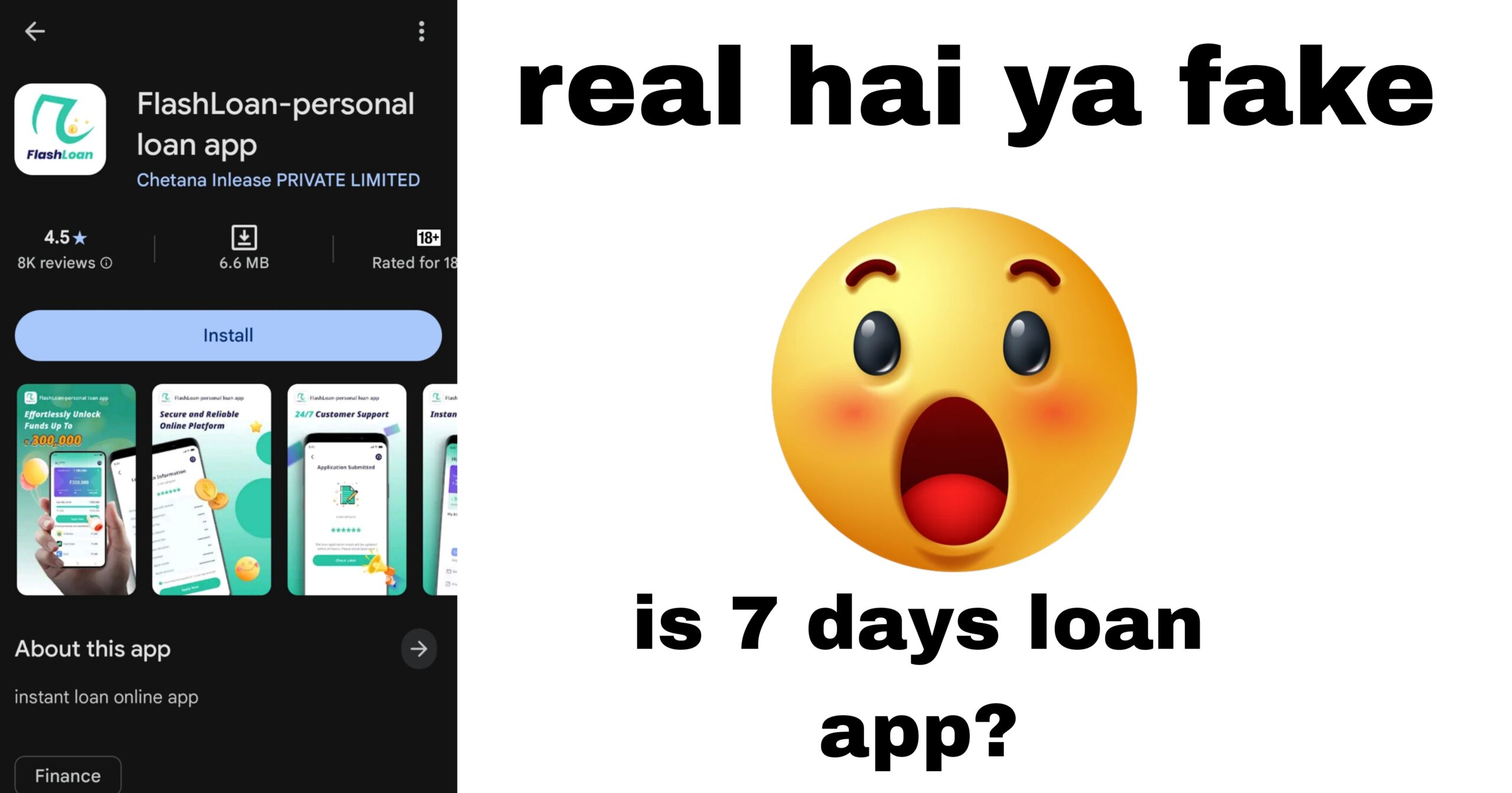
Flash Loan App Review 2025 : Flash Loan App Real or Fake?

In the age of digital finance, instant loan apps have become increasingly popular, promising quick access to funds with minimal paperwork. Among these is the Flash Loan App Personal Loan App, which markets itself as an ideal solution for fast, secure, and affordable personal loans. However, user reviews and industry insights raise serious concerns about its legitimacy, safety, and ethical practices. This article delves into the app’s description, loan details, user reviews, and broader context to determine whether FlashLoan is a genuine lending platform or a potential scam. With a focus on exposing its practices, we analyze its claims, highlight red flags, and provide guidance on protecting yourself from such apps.

Flash loan App

About Flash Loan App Personal Loan App

According to the app’s description, FlashLoan positions itself as a user-friendly microfinance platform offering instant personal loans with the following features:

  • Loan Amount: ₹50,000 to ₹300,000
  • Maximum Annual Interest Rate: 14% per year
  • Loan Term: 91 days to 360 days
  • Handling Fee: Includes GST (e.g., ₹2,100 + ₹378 GST for a ₹70,000 loan)
  • Example Loan:
  • Loan Amount: ₹70,000
  • Tenure: 12 months
  • Monthly EMI: ₹6,017
  • Total Interest Payable: ₹5,204
  • Total Amount Due: ₹72,204
  • Total Cost of Loan: ₹7,304 (interest + handling fee)
  • Maximum Annual Percentage Rate (APR): 14%
  • Key Selling Points:
  • Low interest rates on instant loans
  • Hassle-free online loan application process
  • Fast approvals and instant disbursals
  • Flexible repayment terms
  • Partnerships with “leading financial institutions” for secure and reliable services

The app claims to collaborate with trusted lending partners, emphasizing transparency, security, and customer satisfaction. However, the lack of specific details about these partners, regulatory compliance, or a verifiable physical address raises immediate concerns. Let’s examine the app’s claims against user reviews and industry standards to uncover the truth.

know about 7 days loan app


User Reviews: A Disturbing Pattern

User reviews from 24th to 26th July 2025, as provided, paint a grim picture of FlashLoan’s operations. These reviews highlight consistent issues that align with common characteristics of fake loan apps, as outlined in various industry reports. Below is a detailed analysis of the complaints:

  1. Unauthorized Flash Loan Disbursals:
  • Multiple users report that FlashLoan disbursed loans without their consent. For instance, one user explored the app to check their loan limit (₹3,000) but did not proceed. Minutes later, they received ₹1,800 in their account, with the app demanding repayment of ₹3,000. Another user, Shaik Mohsin, filled in details to check eligibility and received ₹900 automatically, with a repayment demand of ₹1,500.
  • This practice is a hallmark of predatory loan apps, which exploit users by initiating unsolicited transactions to trap them into repayment cycles.
  1. Hidden Fees and Misleading Terms:
  • Users consistently note discrepancies between the loan amount disbursed and the repayment amount. For example, Bilal Ahmed received ₹3,600 against a shown limit of ₹6,000, with no clear explanation of the deducted amount (likely a processing fee). This lack of transparency contradicts the app’s claim of “low interest rates” and “flexible repayment terms.”
  • Legitimate lenders deduct fees from the loan amount after approval, not before disbursal, and clearly disclose all charges upfront. FlashLoan’s failure to provide detailed loan agreements or transparent fee structures is a major red flag.
  1. Short Repayment Periods:
  • Despite the app’s stated loan term of 91 to 360 days, user Koyyala Ganapathi reported being given only six days to repay, contradicting the advertised “flexible repayment terms.” Short repayment windows are a common tactic used by fake loan apps to pressure borrowers into default, enabling scammers to impose penalties or engage in harassment.
  1. Data Privacy Violations:
  • Several reviews accuse FlashLoan of leaking personal data, including contacts, photos, and SMS history. Koyyala Ganapathi alleged that the app created “nude edited pictures” using users’ photos and sent them to family members to extort repayment. Another user warned that the app shares data with entities in Pakistan or other countries, potentially for illegal purposes.
  • These allegations align with findings from Lookout, which discovered predatory loan apps requesting excessive permissions (e.g., access to contacts, messages, and photos) to misuse data for harassment or blackmail. Such practices violate RBI guidelines, which prohibit lenders from storing non-essential borrower data.
  1. Harassment and Threats:
  • Users report relentless harassment, including threatening messages from multiple numbers even after loan repayment. One user mentioned receiving fake legal notices via WhatsApp, a tactic used by scammers to intimidate victims. These actions mirror the Cyber Crime Wing’s advisory on fake loan apps like “Prime Lend” and “Candy Cash,” which engage in extortion through morphed images and public humiliation threats.
  1. Inaccessible Customer Support:
  • Multiple users struggled to contact FlashLoan’s customer service, citing invalid 11-digit phone numbers or unresponsive email support. Legitimate lenders provide clear contact information, including physical addresses and working phone numbers, as mandated by the RBI. FlashLoan’s lack of accessible support is a significant red flag.
  1. Fake Ratings and Reviews:
  • Bilal Ahmed claimed that the app’s high ratings are manipulated, a common tactic used by fraudulent apps to appear legitimate. This aligns with Airtel’s advice to scrutinize app store reviews, as fake loan apps often inflate ratings to lure users.

Red Flags of FlashLoan as a Potential Scam

Based on user reviews and industry insights, FlashLoan exhibits several characteristics of fake loan apps, as outlined by the RBI, Cyber Crime Wing, and financial experts:

  1. Lack of RBI Registration:
  • FlashLoan does not provide verifiable evidence of being registered with the Reserve Bank of India (RBI) or partnering with an RBI-registered NBFC. The RBI maintains a list of licensed financial institutions, and users are advised to verify a lender’s credentials on its official website. The app’s vague claim of collaborating with “leading financial institutions” without naming them is suspicious.
  1. Upfront Fees and Hidden Charges:
  • The app’s loan example mentions a handling fee (₹2,100 + ₹378 GST), but user reviews suggest additional hidden fees, with disbursed amounts significantly lower than shown limits. Legitimate lenders disclose all charges in a loan agreement and deduct fees post-approval, not before disbursal.
  1. Excessive Permissions:
  • FlashLoan’s reported requests for access to contacts, photos, and SMS history go beyond what is necessary for loan processing. This aligns with Lookout’s findings on predatory loan apps, which exploit such permissions for data theft and harassment.
  1. Aggressive Marketing and False Promises:
  • The app’s claims of “instant approvals,” “no hassle,” and “low interest rates” mirror the tactics of fake loan apps that use lucrative advertisements to lure users. Genuine lenders follow strict KYC protocols and evaluate creditworthiness, which FlashLoan appears to bypass.
  1. Impact on Credit Scores:
  • Users like Shaik Mohsin expressed concerns about unauthorized loans damaging their CIBIL scores. Fake loan apps can report false defaults to credit bureaus, harming borrowers’ financial futures. This underscores the need to monitor credit reports after interacting with such apps.
  1. No Physical Address or Legitimate Contact:
  • The absence of a verifiable physical office address or working customer support channels is a major warning sign. RBI-regulated lenders must provide clear contact information and grievance redressal mechanisms, which FlashLoan fails to do.

Comparing FlashLoan to Legitimate Lenders

To highlight FlashLoan’s shortcomings, let’s compare it to a legitimate lender like Fibe, which is RBI-regulated and transparent about its operations:

  • RBI Compliance: Fibe’s registration with the RBI can be verified on the central bank’s website, while FlashLoan provides no such assurance.
  • Transparency: Fibe offers clear loan agreements detailing interest rates, fees, and repayment terms, whereas FlashLoan’s terms are vague or misleading.
  • Customer Support: Fibe provides accessible support channels, unlike FlashLoan’s reported 11-digit phone numbers and unresponsive emails.
  • Data Privacy: Fibe adheres to RBI guidelines on data usage, while FlashLoan allegedly misuses personal information for harassment.

These differences underscore FlashLoan’s failure to meet industry standards for ethical lending.


How to Protect Yourself from Fake Loan Apps Like FlashLoan

Given the red flags, users must exercise caution when considering FlashLoan or similar apps. Here are actionable steps to avoid falling victim to loan scams:

  1. Verify RBI Registration:
  • Check the lender’s credentials on the RBI’s official website. Only borrow from apps partnered with RBI-registered NBFCs or banks.
  1. Read Reviews Critically:
  • Search for the app name with terms like “scam” or “complaints” on Google and app stores. Pay attention to patterns of negative feedback, as seen with FlashLoan.
  1. Check Permissions:
  • Avoid apps requesting excessive permissions (e.g., access to contacts or photos). Legitimate apps only require data essential for loan processing.
  1. Avoid Upfront Payments:
  • Never pay processing fees before loan approval. Legitimate lenders deduct fees from the disbursed amount.
  1. Report Suspicious Apps:
  • File complaints with the Cyber Crime Cell (www.cybercrime.gov.in), Google Play Store, or Apple App Store. Report to the RBI or local police if you’ve been scammed.
  1. Monitor Your Credit:
  • Regularly check your credit report via AnnualCreditReport.com or CIBIL to detect unauthorized loans or defaults.
  1. Use Trusted Platforms:
  • Opt for well-known, RBI-regulated apps like Fibe or Airtel Finance, which prioritize transparency and customer safety.

What to Do If You’ve Been Scammed by FlashLoan

If you’ve fallen victim to FlashLoan’s practices, take immediate action:

  1. Contact Your Bank:
  • Inform your bank about unauthorized transactions and request account freezes or new cards to prevent further fraud.
  1. File a Complaint:
  • Report the scam to the Cyber Crime Cell (www.cybercrime.gov.in), local police, and app stores. Provide evidence like screenshots, transaction records, and messages.
  1. Notify the RBI:
  • File a complaint with the RBI via its website or contact the Ombudsman for financial grievances.
  1. Secure Your Data:
  • Change passwords for compromised accounts and monitor for suspicious activity.
  1. Seek Legal Help:
  • Consult a lawyer or consumer protection agency to explore options for recovering losses or addressing harassment.

Conclusion: Is FlashLoan Real or Fake?

Based on user reviews and industry insights, FlashLoan Personal Loan App exhibits multiple characteristics of a fake loan app. Its unauthorized disbursals, hidden fees, short repayment demands, data privacy violations, and lack of accessible customer support align with the tactics of predatory lenders. The app’s failure to provide verifiable RBI registration or transparent loan terms further erodes its credibility. While it markets itself as a secure and affordable lending platform, the overwhelming evidence from user experiences suggests it is a scam designed to exploit vulnerable borrowers.

In 2025, as loan scams continue to rise in India, vigilance is crucial. Always verify a lender’s credentials, scrutinize app permissions, and avoid apps with suspicious reviews or practices. FlashLoan’s alarming track record serves as a cautionary tale, urging users to prioritize regulated platforms like Fibe or Airtel Finance for safe borrowing. By staying informed and cautious, you can protect your finances and personal data from predatory apps like FlashLoan.https://play.google.com/store/apps/details?id=com.hofund.pluspe

Credimetric loan app
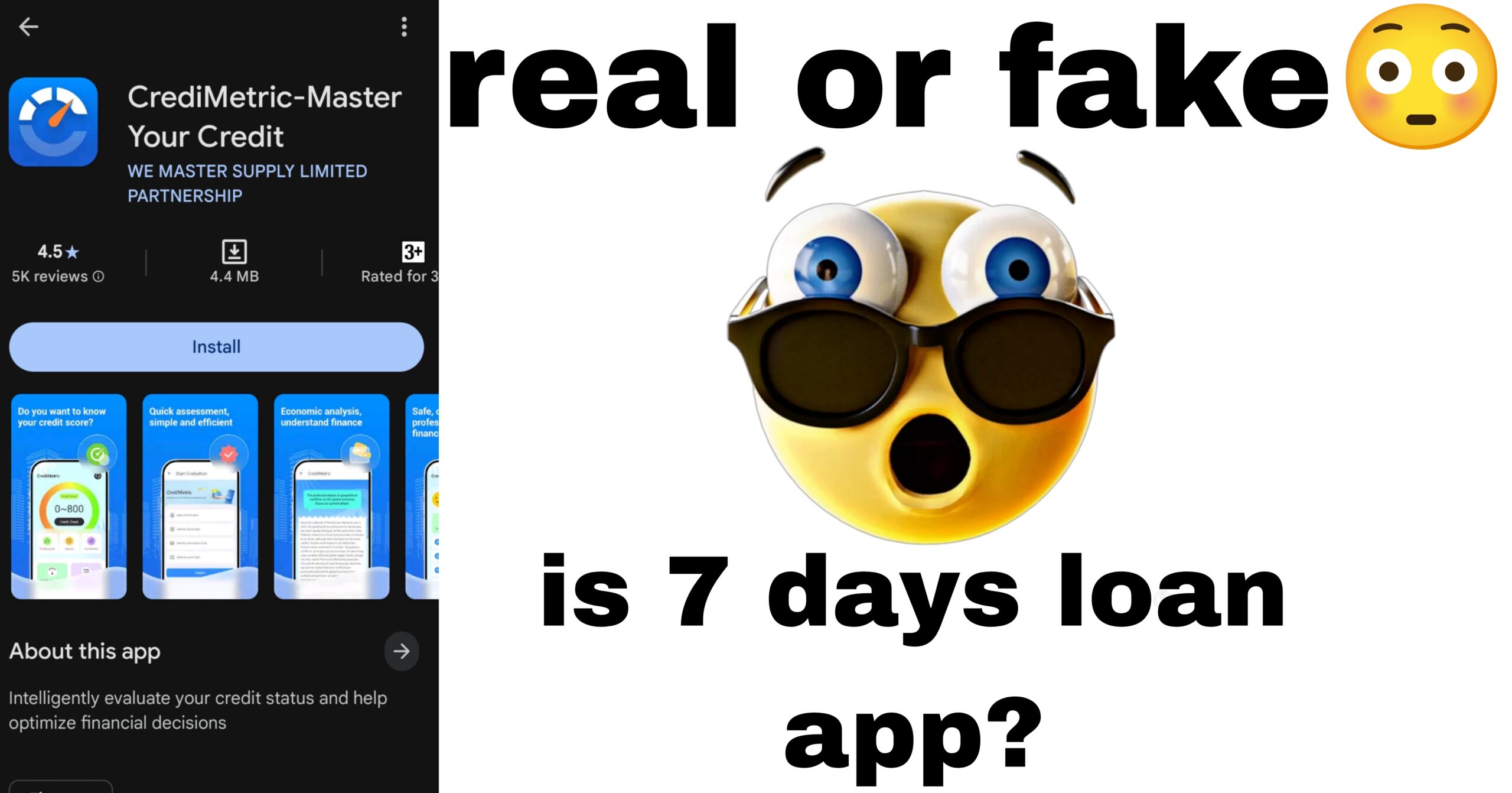
CrediMetric Loan App: Real or Fake? Credimetric loan app Reality

In today’s digital age, financial tools and apps promising quick credit score evaluations, loan approvals, and financial optimization are abundant. One such platform, CrediMetric, markets itself as a “credit scoring tool designed for individual users to help you gain a deeper understanding of your credit performance.” It claims to offer fast, accurate credit scoring, personalized financial advice, and robust data security. However, user reviews and online discussions paint a troubling picture, raising serious concerns about the app’s legitimacy. This article critically evaluates CrediMetric, analyzing its claims, user reviews, and compliance with regulatory standards like those set by the Reserve Bank of India (RBI). With over 1,000 words, we aim to expose whether CrediMetric is a genuine financial tool or a potential scam

Credimetric loan app

What is CrediMetric?

According to its official description, CrediMetric is a credit scoring tool that leverages “advanced data processing technology” to analyze multi-dimensional credit data and provide users with clear, easy-to-understand credit scores and detailed reports. It positions itself as a trusted assistant for both credit novices and those looking to optimize their credit records. The app claims to offer the following key features:

  1. Credit Score Query: Real-time access to your current credit score and trends.
  2. Credit Details Report: Key insights into financial reports.
  3. Personalized Credit Optimization Suggestions: Tailored strategies to improve credit status.
  4. Data Security: Multiple encryption technologies to protect user information.
  5. Professional Customer Support: Assistance via email and during specified working hours.

CrediMetric emphasizes that it is an independent third-party platform, not affiliated with any financial institution, and does not intervene in transactions or disputes. Its parent company, WE MASTER SUPPLY LIMITED PARTNERSHIP, is reportedly based in Renu Nakhon, Nakhon Phanom, Thailand, with a customer service email (visitor@wemastersupply.com) and operational hours from Monday to Saturday, 9:00 AM to 6:00 PM.

Despite these claims, user reviews and online feedback suggest that CrediMetric may not live up to its promises and could potentially be a fraudulent loan app. Let’s dive into the evidence.


User Reviews: A Pattern of Complaints

The user reviews for CrediMetric on platforms like the Google Play Store reveal a consistent pattern of negative experiences, with many labeling the app as a scam. Here’s a detailed breakdown of the concerns raised by users:

  1. High Hidden Fees and Predatory Lending Practices:
  • A user named Sahil Saju reported receiving only ₹2,800 out of a ₹4,700 loan, with the remainder likely deducted as undisclosed charges. The repayment period was an unreasonably short one week, leading to regret and distrust. This suggests that CrediMetric may engage in predatory lending practices, where a significant portion of the loan is withheld as fees, a common tactic among fraudulent loan apps.
  1. Allegations of Fraud and Extortion:
  • Dooaanque Rao warned that CrediMetric is a “totally fraud devil” app, claiming it offers small loan amounts (e.g., ₹2,000) but demands significantly higher repayments (e.g., ₹4,500). For larger loans, such as ₹100,000, users reportedly receive only ₹40,000–₹50,000 but are required to repay the full amount. This aligns with the modus operandi of illegal loan apps, which lure users with promises of quick cash but impose exorbitant interest rates and hidden fees that exceed RBI guidelines.
  1. Not RBI Registered:
  • Multiple reviews, including those by Dooaanque Rao and others, explicitly state that CrediMetric is not registered with the RBI, a critical red flag in India. Legitimate lending apps must be associated with RBI-regulated Non-Banking Financial Companies (NBFCs) or banks to operate legally. The absence of RBI registration suggests that CrediMetric may be operating outside India’s financial regulatory framework, increasing the risk of fraud.
  1. Data Theft Concerns:
  • Konala Eswar labeled CrediMetric a “fake app” and a “Chinese loan app” involved in “data chori” (data theft). This accusation is particularly concerning given the app’s claim of using “multiple encryption technologies” to protect user data. Illegal loan apps often request excessive permissions, such as access to contacts, call logs, or media files, which can be used for harassment or blackmail.
  1. General Scam Allegations:
  • Suman Saurabh Nanda called CrediMetric a “fake and scam app” and urged its removal from the Play Store. This sentiment is echoed across multiple reviews, with users warning others to avoid the app due to its deceptive practices.

Despite these negative reviews, CrediMetric maintains a surprisingly high 4.5-star rating on the Play Store, which raises suspicions of manipulated or fake reviews. Many fraudulent apps artificially inflate their ratings by posting positive reviews, often from non-Indian accounts, as Dooaanque Rao pointed out, noting that many reviewers appear to be from Pakistan or other countries.


CrediMetric’s Claims vs. Reality

Let’s evaluate CrediMetric’s claims against the backdrop of user reviews and regulatory standards:

  1. Fast and Accurate Credit Scoring System:
  • CrediMetric claims to provide real-time, accurate credit scores. However, there’s no evidence in the reviews or online discussions to confirm that the app delivers reliable credit scoring. Instead, users focus on its loan offerings, which appear to be the primary function, suggesting that the credit scoring feature may be a facade to lure users into applying for loans.
  1. Exclusive Credit Optimization Guide:
  • The app promises personalized strategies to improve credit status, but no user reviews mention receiving such guidance. Instead, complaints center on loan-related issues, indicating that this feature may be exaggerated or non-existent.
  1. Complete Data Security and Privacy Protection:
  • CrediMetric’s claim of robust data security is directly contradicted by user accusations of data theft. Illegal loan apps often misuse personal information, such as Aadhaar or PAN details, for unauthorized transactions or harassment. The app’s Thailand-based parent company further raises concerns, as it may not be subject to Indian data protection laws.
  1. Professional Customer Support:
  • There’s no mention in user reviews of effective customer support. Given the allegations of harassment and fraud, it’s unlikely that CrediMetric provides responsive or professional assistance. The provided email (visitor@wemastersupply.com) and limited working hours further limit accessibility.
  1. Independence from Financial Institutions:
  • While CrediMetric claims to be an independent platform, its loan offerings suggest it operates as a lending app, which requires RBI registration in India. The lack of transparency about its regulatory status and partnerships with NBFCs or banks is a major concern.

Is CrediMetric RBI Registered?

One of the most critical factors in determining the legitimacy of a financial app in India is its registration with the RBI. The RBI regulates all lending operations, and legitimate apps must be backed by RBI-registered NBFCs or banks. According to user reviews and available information, CrediMetric is not RBI registered, a claim that aligns with the broader issue of illegal loan apps in India.

The RBI has been actively addressing the rise of fraudulent loan apps, with over 600 illegal apps identified in 2023 alone. These apps often operate outside regulatory oversight, charge excessive interest rates, and engage in predatory practices like data theft and harassment. The RBI has proposed creating a repository of legitimate digital lending apps to help consumers identify unauthorized platforms, but no such list currently exists.

CrediMetric’s Thailand-based parent company, WE MASTER SUPPLY LIMITED PARTNERSHIP, further complicates its regulatory status. Many illegal loan apps, particularly those with ties to foreign entities (e.g., Chinese loan apps), operate outside India’s jurisdiction, making it difficult for authorities to take action.


Red Flags of a Fake Loan App

Based on RBI guidelines and expert insights, here are the red flags that align with CrediMetric’s operations:

  1. Lack of RBI Registration: CrediMetric’s failure to disclose any association with an RBI-registered NBFC or bank is a major warning sign. Legitimate apps like PhonePe or Fibe clearly state their regulatory affiliations.
  2. Excessive Fees and Short Repayment Periods: User reviews highlight hidden charges and unreasonably short repayment terms (e.g., one week), which violate RBI guidelines on fair lending practices.
  3. Data Privacy Concerns: Allegations of data theft and excessive permissions suggest that CrediMetric may misuse personal information, a common tactic among fraudulent apps.
  4. Foreign Operations: The Thailand-based parent company raises questions about jurisdiction and accountability. Many illegal apps operate from abroad to evade Indian regulators.
  5. Harassment Tactics: While not explicitly mentioned in the provided reviews, the broader context of illegal loan apps suggests that users who fail to repay may face abusive calls or blackmail, as seen in cases like UnicashX and Kreditbe.

How to Protect Yourself from Apps Like CrediMetric

To avoid falling victim to potentially fraudulent apps like CrediMetric, follow these steps:

  1. Verify RBI Registration: Check the RBI’s official website (rbi.org.in) or contact the app directly to confirm its association with an RBI-registered NBFC or bank.
  2. Read Reviews Critically: Look for patterns in user reviews, especially complaints about hidden fees, data theft, or harassment. Be wary of apps with suspiciously high ratings despite negative feedback.
  3. Avoid Sharing Sensitive Information: Never provide Aadhaar, PAN, or banking details unless the app’s legitimacy is verified. Legitimate apps require minimal permissions and use secure websites (HTTPS).
  4. Report Suspicious Apps: If you encounter a fraudulent app, report it to the National Cyber Crime Reporting Portal (cybercrime.gov.in), the RBI’s Sachet portal (sachet.rbi.org.in), or the National Consumer Helpline (14404).
  5. Stick to Reputable Platforms: Use RBI-approved apps like PhonePe, Fibe, or Tata Capital, which comply with regulatory guidelines and prioritize user security.

Conclusion: Is CrediMetric Real or Fake?

Based on user reviews, lack of RBI registration, and alignment with common traits of fraudulent loan apps, CrediMetric appears to be a fake or highly questionable platform. Its claims of providing accurate credit scoring and secure data protection are undermined by allegations of predatory lending, hidden fees, data theft, and foreign operations. The app’s high Play Store rating is likely manipulated, as the negative reviews from Indian users provide a more credible picture of its operations.

While CrediMetric markets itself as a credit scoring tool, its loan offerings and lack of transparency suggest it operates as an illegal lending app, potentially exploiting financially vulnerable users. The RBI’s ongoing efforts to combat such apps highlight the need for caution, and CrediMetric’s Thailand-based parent company further raises concerns about accountability.

If you’re considering using CrediMetric, proceed with extreme caution. Verify its legitimacy through official channels, avoid sharing sensitive information, and opt for RBI-approved alternatives. To protect others, report any suspicious activity to the RBI or cybercrime authorities. In the digital lending landscape, trust and regulatory compliance are paramount—qualities that CrediMetric, based on current evidence, sorely lacks.


ScoreScanl Loan App
Exposing ScoreScan Loan App: Is It Real or a Fraudulent Trap?

In the rapidly growing digital lending space in India, loan apps have become a go-to solution for individuals seeking quick financial assistance. However, this convenience has also given rise to a surge in fraudulent apps that exploit vulnerable borrowers with promises of easy loans and credit score improvement. One such app that has recently come under scrutiny is ScoreScan, which markets itself as a “Personal Credit Management Expert” for Indian users. This article aims to expose the truth behind ScoreScan, analyzing whether it is a legitimate platform or a deceptive scam based on user reviews, reported practices, and its operational model. With a focus on its high charges, short repayment periods, and questionable claims of credit score improvement, we will uncover the reality behind this app.

ScoreScan Loan App
{“remix_data”:[],”}]}}

What is ScoreScan?

ScoreScan presents itself as a free credit score query and financial management app tailored for Indian users. According to its promotional material, it offers a range of features to help users manage their finances effectively, including:

  • Free Credit Score Query: Real-time access to credit scores from major Indian credit bureaus like CIBIL and Equifax.
  • Income Assessment Tool: Estimates income range based on credit history and career data.
  • EMI Installment Calculator: Allows users to calculate EMIs for various loans, such as home, car, and personal loans, with customizable interest rates and repayment terms.

The app claims to require no paid subscription, offering “one-click access to professional credit scores” and tools to make financial decisions transparent and efficient. Its office is listed at #35 S.R.T Road, Shivaji Nagar, Bangalore, Karnataka, 560051, India, with a customer service email: help@matchmakingprivate.com. However, user reviews and reported experiences paint a starkly different picture, raising serious concerns about its legitimacy and operations.

Red Flags: User Reviews and Complaints

To evaluate ScoreScan’s credibility, we turn to user reviews, which provide firsthand insights into the app’s practices. The feedback from users, dated as recently as July 2025, reveals a pattern of deceptive tactics, high charges, and poor customer service. Here are some key complaints:

  1. High Processing Fees and Hidden Charges:
  • Users consistently report exorbitant processing fees and hidden charges. For instance, Swamy Siva mentioned receiving only ₹1,800 out of a ₹3,000 loan, with ₹1,200 deducted as processing fees for a mere 7-day loan period. Similarly, Vinoth Kannan noted that for a ₹5,000 loan, only ₹3,000 was disbursed, with ₹2,000 taken as processing fees, and the full ₹5,000 had to be repaid within 6 days.
  • Priyanka Pathak highlighted a case where a ₹15,000 loan limit was shown, but only ₹9,000 was disbursed, with ₹6,000 charged as interest for a 7-day repayment period. Such practices indicate that ScoreScan imposes predatory fees, significantly reducing the actual loan amount received by borrowers.
  1. Short Repayment Periods:
  • The app operates on a 6- to 7-day repayment cycle, which is unusually short for personal loans. Legitimate lenders typically offer repayment terms ranging from months to years, allowing borrowers to manage repayments comfortably. A 7-day repayment period, combined with high charges, places immense financial pressure on users, often leading to debt traps.
  1. Unsolicited Loans and Blackmail:
  • Saneesh’s review warns that ScoreScan automatically grants loans without user consent after collecting sensitive information like KYC documents and selfies. Once the loan is disbursed, users are given just 7 days to repay, and failure to do so results in threats of blackmail, including misuse of personal photos. This unethical practice is a hallmark of fraudulent loan apps.
  1. Lack of Customer Support:
  • Multiple users, including Priyanka Pathak and Vinoth Kannan, reported the absence of functional customer support. The app lacks a contact number, and complaints sent via email (to help@matchmakingprivate.com) go unanswered. Even after repaying loans, users noted that the app continued to show outstanding dues, further harassing borrowers.
  1. Inability to Delete Accounts:
  • Saneesh mentioned being unable to delete their account, raising concerns about data privacy. Fraudulent apps often collect sensitive information (such as Aadhaar, PAN, and bank details) under the guise of loan processing, which may be misused for identity theft or sold on the dark web.
  1. Fake Credit Score Improvement Claims:
  • ScoreScan markets itself as a tool to improve credit scores, but user reviews do not corroborate this claim. Instead, the app appears to use the promise of credit score enhancement as bait to lure users into applying for loans, only to trap them with high fees and short repayment terms. There is no evidence that ScoreScan provides legitimate credit score improvement services.

Is ScoreScan Legitimate or a Scam?

To determine whether ScoreScan is real or fake, we must compare its practices against the characteristics of legitimate and fraudulent loan apps, as outlined by regulatory guidelines and industry standards.

Characteristics of Legitimate Loan Apps

  • RBI Registration: Legitimate loan apps in India are either operated by or partnered with Reserve Bank of India (RBI)-registered Non-Banking Financial Companies (NBFCs) or banks. They adhere to RBI guidelines, including transparent disclosure of interest rates, fees, and repayment terms.
  • Transparent Terms: Authentic lenders provide a detailed loan agreement, including a Key Fact Statement (KFS), outlining all charges and terms before disbursal.
  • Reasonable Fees: Processing fees are deducted from the loan amount after approval, not upfront, and are typically a small percentage of the loan.
  • Customer Support: Legitimate apps offer clear contact details, including phone numbers, email addresses, and physical office addresses, with responsive customer service.
  • Data Privacy: They use advanced encryption to protect user data and allow users to delete accounts or revoke permissions.

ScoreScan’s Practices: A Fraudulent Pattern

ScoreScan exhibits several red flags commonly associated with fake loan apps:

  • Unverified RBI Registration: There is no evidence in the provided information or user reviews confirming that ScoreScan is registered with the RBI or partnered with an RBI-approved NBFC. The RBI’s official website lists registered lenders, and users should verify this before engaging with any loan app. ScoreScan’s failure to provide such credentials is a major concern.
  • Exorbitant Charges: Deducting 40-50% of the loan amount as processing fees (e.g., ₹1,200 on a ₹3,000 loan or ₹6,000 on a ₹15,000 loan) is predatory and violates RBI guidelines, which cap interest rates and fees to protect borrowers.
  • Lack of Transparency: Users report unclear terms and conditions, with no proper loan agreement provided. This contradicts RBI mandates requiring lenders to issue a KFS.
  • Unsolicited Loans: Disbursing loans without consent is an unethical practice used by fraudulent apps to trap users into repayment cycles.
  • Harassment and Blackmail: Threats to misuse personal data, such as photos, align with tactics used by rogue apps to coerce repayments.
  • Suspicious Contact Details: The customer service email (help@matchmakingprivate.com) is unrelated to financial services, raising doubts about the app’s legitimacy. The listed office address in Bangalore has not been verified, and the lack of a contact number further erodes trust.
  • Poor Reviews: Consistent negative feedback across platforms highlights issues like high fees, harassment, and non-functional customer support, a common trait of fake loan apps.

Based on these points, ScoreScan aligns closely with the characteristics of fraudulent loan apps, as outlined by sources like the RBI and consumer protection blogs. Its claims of being a “credit management expert” appear to be a facade to collect sensitive user data and impose exploitative loan terms.

The Dangers of Using ScoreScan

Engaging with ScoreScan poses several risks, as evidenced by user experiences and industry warnings:

  1. Financial Loss: High processing fees and interest rates result in borrowers receiving significantly less than the approved loan amount while being required to repay the full amount in a short period.
  2. Data Theft: The app’s collection of KYC documents, selfies, and other personal information without proper safeguards raises concerns about identity theft or data misuse.
  3. Credit Score Damage: Unsolicited loans or fraudulent transactions reported by ScoreScan could negatively impact users’ credit scores, as noted in sources like Airtel’s guide on fake loan apps.
  4. Harassment: Threats of blackmail and relentless repayment demands, as reported by users, can cause emotional distress and social stigma.
  5. Legal Complications: Recovering funds or resolving disputes with an unregistered lender is challenging, as users lack access to RBI’s grievance redressal mechanisms.

How to Protect Yourself from Apps Like ScoreScan

To avoid falling victim to fraudulent loan apps like ScoreScan, follow these steps recommended by experts and regulatory bodies:

  1. Verify RBI Registration: Check the RBI’s official website for a list of registered NBFCs and banks. Avoid apps that cannot provide proof of registration.
  2. Read Reviews Carefully: Look for consistent negative feedback on app stores or consumer forums. Be wary of apps with suspiciously high ratings, as they may use fake reviews.
  3. Demand Transparency: Insist on a detailed loan agreement and KFS before accepting any loan. Avoid apps that hide fees or terms.
  4. Avoid Upfront Fees: Legitimate lenders deduct fees from the loan amount after disbursal, not before.
  5. Protect Personal Data: Limit permissions granted to apps and avoid sharing sensitive information like OTPs, Aadhaar, or PAN details unless the lender is verified.
  6. Report Fraud: If you encounter a suspicious app, report it to the National Cyber Crime Reporting Portal (1930 or www.cybercrime.gov.in), the RBI, or the app store.
  7. Monitor Your Credit Report: Regularly check your credit score through trusted platforms like CIBIL or Equifax to detect unauthorized loans or inquiries.

What to Do If You’ve Used ScoreScan

If you’ve already engaged with ScoreScan and suspect foul play, take immediate action:

  • Gather Evidence: Save screenshots, emails, transaction records, and any communication with the app.
  • File a Complaint: Report the app to the National Cyber Crime Reporting Portal, your local police, or the RBI.
  • Notify Your Bank: Inform your bank to block unauthorized transactions and secure your account.
  • Check Your Credit Report: Request a free credit report from CIBIL, Equifax, or Experian to identify any fraudulent loans or inquiries.
  • Consult a Legal Expert: Seek legal advice to address data misuse or recover funds.

Conclusion

ScoreScan, despite its claims of being a “Personal Credit Management Expert,” exhibits multiple characteristics of a fraudulent loan app. Its high processing fees, short repayment periods, unsolicited loan disbursals, lack of customer support, and questionable data practices align with tactics used by rogue lenders to exploit vulnerable borrowers. User reviews from July 2025 highlight severe financial losses, harassment, and data privacy concerns, reinforcing the app’s deceptive nature. The absence of verifiable RBI registration and transparent terms further cements its status as a potential scam.

Know about :waterfall loan app

In a digital lending landscape fraught with risks, borrowers must exercise extreme caution. Stick to RBI-approved loan apps like KreditBee, PaySense, or IndiaLends, which offer transparent terms and adhere to regulatory guidelines. By verifying lenders, reading reviews, and protecting personal data, you can avoid falling into traps like ScoreScan. Stay informed, stay vigilant, and prioritize your financial security.

Disclaimer: The information in this article is based on user reviews and general characteristics of fraudulent loan apps. Always verify lender credentials with official sources like the RBI before engaging with any loan app.

Waterfall Rupee Loan App
Exposing Waterfall Rupee Loan App: Is It Legit or a Potential Scam?

In the rapidly evolving world of digital lending, loan apps have become a convenient solution for individuals seeking quick financial assistance. However, with convenience comes the risk of falling prey to fraudulent apps that exploit vulnerable borrowers. One such app that has recently surfaced is Waterfall Rupee, which claims to offer secure and flexible financial solutions in partnership with an NBFC, Dynamic Fincap Private Limited. While the app’s description appears professional, user reviews paint a concerning picture, raising questions about its legitimacy. In this article, we’ll dive deep into Waterfall Rupee, analyze user feedback, highlight red flags, and provide tips to protect yourself from potential scams, all while keeping the content SEO-friendly and comprehensive.

Waterfall Rupee Loan App

What Is Waterfall Rupee Loan App?

According to its official description, Waterfall Rupee is a service platform that facilitates access to financial solutions by partnering with Dynamic Fincap Private Limited, a registered Non-Banking Financial Company (NBFC). The app claims to simplify the loan application process by offering a completely digital experience, eliminating the need for paperwork. Here are the key details provided by the app:

  • Loan Amount: ₹5,000 to ₹80,000
  • Loan Tenure: 91 to 365 days
  • Annual Percentage Rate (APR): Up to 18.25%
  • Processing Fee: 1% to 3%
  • Eligibility: Indian citizen, at least 18 years old
  • Contact: Email at sanchoitafinancial@gmail.com
  • Partner Website: https://dynamicfincap.com

The app also provides a loan calculation example: for a ₹20,000 loan with a 91-day tenure, a 0.05% daily interest rate, and a 2% processing fee, the borrower receives ₹19,528 after deductions (processing fee of ₹400 + 18% GST of ₹72) and repays ₹20,910, including ₹910 in interest.

On the surface, these details seem transparent and aligned with legitimate lending practices. However, user reviews tell a different story, suggesting discrepancies between the app’s promises and the actual user experience. Let’s explore these reviews to uncover potential issues with Waterfall Rupee.


User Reviews: Red Flags and Complaints

User feedback is a critical tool for assessing the legitimacy of any loan app. Unfortunately, the reviews for Waterfall Rupee are overwhelmingly negative, with users reporting issues that align with common tactics used by fraudulent loan apps. Below is a summary of the key complaints:

  1. High and Hidden Processing Fees
    Rohan Singh (20/07/25) applied for a ₹3,000 loan but received only ₹1,800 due to a ₹1,200 processing fee that was not clearly disclosed upfront. Similarly, Ravi Kumar (19/07/25) echoed this sentiment, stating that the app offered ₹3,000 but credited only ₹1,800 after deducting a ₹1,200 service fee. These high fees, which amount to 40% of the loan, are a major red flag, as legitimate lenders typically charge 1-3% processing fees, as Waterfall Rupee claims in its description.
  2. Short Repayment Periods
    Multiple users, including Aqeel Beg (15/07/25), reported that the app advertised loans up to ₹80,000 with tenures of 91 to 365 days but offered only ₹3,000 loans with a 7-day repayment period. This discrepancy suggests bait-and-switch tactics, where attractive terms are used to lure users, only to impose harsher conditions after application.
  3. Harassment via Illegal Messages
    VINAY U BHOOPALAM (19/07/25) described receiving threatening messages from international numbers (Pakistan, Uganda, Indonesia) demanding loan repayment. Such tactics are illegal in India, as per Reserve Bank of India (RBI) guidelines, and are commonly associated with fake loan apps that use coercive methods to extort money.
  4. Data Collection Concerns
    Padmanabha Bishoyee (17/07/25) and Sameer Paul (15/07/25) labeled Waterfall Rupee as a “data collection app,” suspecting it collects sensitive information like Aadhaar and PAN details without providing legitimate loans. This is a hallmark of fraudulent apps that harvest personal data for misuse, such as identity theft or unauthorized transactions.
  5. Loan Rejections and Misleading Offers
    Padmanabha Bishoyee also reported applying for an ₹80,000 loan, only to be offered ₹50,000 repeatedly, which was later rejected. This inconsistency suggests the app may be designed to collect user data under the pretense of loan processing.

These reviews raise serious concerns about Waterfall Rupee’s operations, suggesting it may engage in practices like hidden fees, aggressive recovery tactics, and potential data theft—common traits of fake loan apps in India.


Is Waterfall Rupee Legit or a Scam?

While Waterfall Rupee claims to partner with an RBI-registered NBFC, Dynamic Fincap Private Limited, the user reviews suggest practices that deviate from RBI’s ethical lending guidelines. Here are some points to consider when evaluating its legitimacy:

  • RBI Compliance: The app mentions its NBFC partner, but there’s no clear evidence in the reviews that loans are processed through a legitimate NBFC. Users report receiving small loans (₹3,000) with short tenures (7 days), which contradicts the advertised terms of up to ₹80,000 for 91-365 days. Legitimate RBI-registered lenders must adhere to transparent terms, fair interest rates (typically below 36% APR), and ethical recovery practices, which Waterfall Rupee appears to violate.
  • High Processing Fees: The 40% processing fees reported by users are exorbitant compared to the 1-3% mentioned in the app’s description. This discrepancy suggests a lack of transparency, a common tactic used by fraudulent apps to extract money upfront.
  • Harassment Tactics: Threats and messages from international numbers are illegal and align with the modus operandi of scam apps, as reported by sources like The Hindu and Al Jazeera. Legitimate lenders do not use abusive or coercive methods for loan recovery.
  • Data Privacy Concerns: The accusations of data collection without loan disbursal are alarming. Fake loan apps often request access to contacts, photos, and messages, which they misuse for harassment or sell on the dark web.
  • Lack of Transparency: The reviews indicate that the app’s terms are vague or change after application, a red flag noted by sources like Paisabazaar and Creditt. Legitimate apps provide clear terms, contact details, and customer support, but Waterfall Rupee’s email (sanchoitafinancial@gmail.com) uses a generic domain, which raises doubts about its professionalism.

Given these issues, Waterfall Rupee exhibits several characteristics of a potential scam, despite its polished description. However, without concrete evidence of its NBFC partner’s involvement or RBI registration, it’s difficult to definitively label it as fake. Users should exercise extreme caution until more information is available.


How to Spot Fake Loan Apps Like Waterfall Rupee

To protect yourself from apps like Waterfall Rupee, follow these tips based on RBI guidelines and expert advice:

  1. Verify RBI Registration: Always check if the app is backed by an RBI-registered NBFC or bank. Visit the RBI’s official website (https://www.rbi.org.in/Scripts/BS_NBFCList.aspx) to confirm the lender’s credentials.
  2. Check Reviews and Ratings: Research user reviews on Google Play Store, Apple App Store, or forums like Reddit. Negative reviews, especially those mentioning hidden fees or harassment, are red flags.
  3. Avoid Excessive Permissions: Legitimate apps don’t need access to your contacts, photos, or messages. Deny unnecessary permissions and uninstall apps that insist on them.
  4. Look for Transparency: Genuine apps clearly disclose interest rates, fees, and repayment terms upfront. Be wary of apps that change terms after application or demand upfront payments.
  5. Use Official App Stores: Download apps only from Google Play Store or Apple App Store, as third-party links may lead to malware-infected apps.
  6. Report Suspicious Apps: If you encounter a questionable app, report it to the RBI’s Sachet portal (https://sachet.rbi.org.in) or the National Cyber Crime Reporting Portal (https://cybercrime.gov.in).

What to Do If You’ve Used Waterfall Rupee

If you’ve already engaged with Waterfall Rupee or a similar app, take these steps to minimize damage:

  1. Uninstall the App: Remove the app from your device to prevent further data access.
  2. Revoke Permissions: Go to your phone’s settings and revoke any permissions granted to the app, such as access to contacts or photos.
  3. Monitor Your Accounts: Check your bank statements for unauthorized transactions and report any issues to your bank immediately.
  4. File a Complaint: Report the app to the RBI, cybercrime authorities, or consumer protection agencies. Provide screenshots and details of your experience.
  5. Block Harassment: Block numbers sending threatening messages and use call-blocking apps to prevent further harassment.
  6. Protect Your Data: Change passwords for your banking and email accounts, and consider freezing your credit to prevent misuse of your personal information.

Conclusion: Proceed with Caution

While Waterfall Rupee markets itself as a secure and flexible loan platform, user reviews expose significant issues, including hidden fees, short repayment periods, harassment, and potential data collection. These red flags align with the tactics of fraudulent loan apps, which have been a growing concern in India, as highlighted by sources like The Indian Express and Cyberpeace. Until Waterfall Rupee provides verifiable proof of its legitimacy, such as RBI registration details or transparent operations, users should avoid it.

For safe borrowing, stick to RBI-approved loan apps like Paytm, Bajaj Finserv, MoneyTap, or LazyPay, which follow ethical lending practices. Always research thoroughly, read reviews, and verify the lender’s credentials before sharing personal information. By staying vigilant, you can protect yourself from falling into the trap of fake loan apps like Waterfall Rupee.

If you have concerns about Waterfall Rupee or need assistance, contact the RBI or report to the National Cyber Crime Reporting Portal. Stay informed, stay safe, and make smart financial decisions.


Disclaimer: This article isDownl based on user reviews and publicly available information as of July 22, 2025. Always conduct your own research and consult with financial authorities before using any loan app.

Fund flow loan app
Fund Flow Loan App Review: Features, Concerns, and RBI Compliance

In the fast-paced world of digital lending, Fund Flow has emerged as a loan app promising quick, short-term loans for urgent financial needs. Offering loans for as little as 15 days, Fund Flow markets itself as a convenient, RBI-compliant platform connecting users with regulated Non-Banking Financial Companies (NBFCs) like VAISHALI SECURITIES LIMITED. However, customer reviews paint a troubling picture, raising serious questions about its transparency, interest rates, and data security practices. This article provides an in-depth, SEO-optimized analysis of Fund Flow, exposing its operations, customer feedback, and compliance status, while addressing critical concerns to help you make an informed decision.

Fund flow loan app
Fundflow loan app

What is Fund Flow Loan App?

Fund Flow is a digital lending platform that facilitates short-term loans ranging from ₹6,000 to ₹80,000, with repayment tenures as short as 15 days to 12 months. It operates as a technology service provider, connecting eligible borrowers with RBI-registered NBFCs. The app emphasizes a seamless, paperless process, claiming full compliance with Reserve Bank of India (RBI) guidelines, including DNBR.PD.007/03.10.119/2016-17. Its key selling points include a transparent cost structure, no prepayment penalties, and adherence to data security standards like ISO 27001.

Key Features of Fund Flow

  • Loan Amount: ₹6,000 to ₹80,000 for urgent financial needs.
  • Interest Rates: Daily interest rate of 0-0.05% (Annual Percentage Rate or APR up to 18.25%, capped at 36% per RBI guidelines).
  • Repayment Tenure: Flexible plans from 3 to 12 months, with 15-day loans as a highlighted option.
  • No Hidden Fees: Claims no processing fees or prepayment penalties.
  • Digital Process: 24/7 application access via a secure mobile platform.
  • Regulatory Compliance: Loans issued through RBI-registered NBFCs like VAISHALI SECURITIES LIMITED.
  • Data Security: Adheres to ISO 27001 standards with end-to-end encryption.

Example Loan Calculation

For a ₹40,000 loan with an APR of 18.25% over 92 days:

  • Interest Payable: ₹1,840
  • Total Repayment: ₹41,840
    Note: Actual terms depend on credit evaluation.

Customer Reviews: A Cause for Concern

While Fund Flow promotes itself as a legitimate and user-friendly app, customer reviews tell a different story. Many users have flagged the app as potentially fraudulent, citing exorbitant interest rates, unauthorized data collection, and poor customer service. Below is a summary of the alarming feedback from users:

  1. High Interest Rates: Ankush Jayin (01/07/25) claimed Fund Flow charges over 50% interest for a 15-day loan, far exceeding the advertised APR of 18.25%. He also alleged that the app deposits additional funds into users’ accounts to trap them into paying more.
  2. Short Tenure Issues: As Asim (02/07/25) criticized the app’s short 15-day tenure and high interest rates, calling it “useless” and advising against its use.
  3. Data Privacy Concerns: Beast Boy (29/06/25) raised red flags about the app requesting sensitive information like Aadhaar, bank details, and selfies before confirming loan eligibility, expressing fears of potential blackmail.
  4. Fraud Allegations: Lakshmi Narasimhan (19/06/25) labeled Fund Flow a “fraud” app, accusing it of collecting data without sanctioning loans and providing ineffective customer support. He suggested positive reviews might be fake.
  5. Discrepancies in Loan Disbursement: Srikanth Kasindula (30/06/25) reported that for a ₹4,000 loan, only ₹2,800 was credited, but the repayment demanded was ₹4,400 within 15 days, indicating deceptive practices.
  6. Time-Wasting and Data Collection: Ajay Kumar (24/06/25) and Chinna Chinna (20/06/25) called the app a “time waste” and a “data collection scam,” urging users to avoid it.

These reviews suggest a pattern of predatory practices, including inflated interest rates, unauthorized data access, and discrepancies between promised and actual loan terms.

Is Fund Flow RBI-Compliant?

Fund Flow claims to operate under RBI guidelines through partnerships with registered NBFCs like VAISHALI SECURITIES LIMITED. The RBI’s digital lending guidelines (DNBR.PD.007/03.10.119/2016-17) mandate transparency in interest rates, clear loan agreements, and strict data privacy protocols. While Fund Flow’s website highlights compliance with these standards, customer complaints about excessive interest rates and data misuse raise doubts about its adherence to RBI regulations.

The RBI has cracked down on illegal loan apps, banning over 600 such platforms in 2023 alone. It also proposed a public repository of authorized digital lending apps in August 2024 to help consumers identify legitimate platforms. To verify Fund Flow’s legitimacy, check the RBI’s official website for NBFC registration details or use the Sachet portal (https://sachet.rbi.org.in) to report suspicious activities.

Data Security: Safe or Risky?

Fund Flow claims to follow ISO 27001 standards with end-to-end encryption to protect user data. Its privacy policy is accessible at [https://www.millionaireclubfinance.com/ourprivacypolicymill.html]. However, user reviews like those from Beast Boy and Lakshmi Narasimhan highlight concerns about excessive data collection, including Aadhaar details, bank account information, and selfies, before loan approval. Such practices could violate RBI guidelines, which restrict apps from accessing unnecessary data like contacts or photos.

Red Flags to Watch Out For

Based on customer feedback and RBI guidelines, here are warning signs to consider before using Fund Flow:

  • High Interest Rates: Complaints of rates exceeding 50% for 15-day loans contradict the advertised 18.25% APR.
  • Data Misuse: Requests for sensitive information before eligibility confirmation raise privacy concerns.
  • Discrepancies in Loan Amounts: Users report receiving less than the approved amount but being asked to repay more.
  • Poor Customer Service: Multiple reviews mention unresponsive or unhelpful support.
  • Potential Fraud: Allegations of unsolicited fund deposits to inflate repayment obligations suggest predatory tactics.

How to Protect Yourself

To avoid falling victim to fraudulent loan apps like those described in reviews, follow these steps:

  1. Verify RBI Registration: Check if the app’s NBFC partner is listed on the RBI website.
  2. Read Reviews: Look for consistent negative feedback on platforms like Google Play Store or Apple App Store.
  3. Check App Permissions: Avoid apps requesting access to contacts, photos, or messages beyond KYC requirements.
  4. Demand Transparency: Ensure the app provides a clear loan agreement with interest rates and repayment terms.
  5. Report Fraud: Use the RBI’s Sachet portal or the National Cyber Crime Reporting Portal (cybercrime.gov.in) to report suspicious apps.

Conclusion: Should You Use Fund Flow?

While Fund Flow markets itself as a convenient, RBI-compliant loan app, customer reviews expose serious issues, including high interest rates, potential data misuse, and fraudulent practices. These allegations contradict the app’s claims of transparency and regulatory adherence, making it a risky choice for borrowers. Until Fund Flow addresses these concerns and provides verifiable proof of compliance, it’s wise to approach with caution. Always prioritize RBI-approved apps like Paytm, Bajaj Finserv, or MoneyTap, which have established reputations for transparency and security.

For a safe borrowing experience, verify the app’s credentials, read user reviews, and never share sensitive information without confirming legitimacy. If you suspect fraud, report it immediately to the RBI or cybercrime authorities.


FAQs About Fund Flow Loan App

1. Is Fund Flow a legitimate loan app?
Fund Flow claims to partner with RBI-registered NBFCs like VAISHALI SECURITIES LIMITEDLion LIMITED. However, customer reviews alleging high interest rates, data misuse, and fraud raise concerns about its legitimacy. Verify the NBFC’s registration on the RBI website before proceeding.

2. What are the interest rates charged by Fund Flow?
The app advertises a daily interest rate of 0-0.05% (APR up to 18.25%), but users report rates exceeding 50% for 15-day loans, which may violate RBI guidelines.

3. Is my data safe with Fund Flow?
Fund Flow claims to follow ISO 27001 standards with end-to-end encryption. However, users have reported excessive data collection, including Aadhaar and bank details, before loan approval, raising privacy concerns.

4. What is the loan amount and tenure offered by Fund Flow?
Fund Flow offers loans from ₹6,000 to ₹80,000 with tenures ranging from 15 days to 12 months.

5. How can I report fraudulent practices by Fund Flow?
You can file a complaint via the RBI’s Sachet portal (https://sachet.rbi.org.in) or the National Cyber Crime Reporting Portal (cybercrime.gov.in).

6. Are there safer alternatives to Fund Flow?
Yes, RBI-approved apps like Paytm, Bajaj Finserv, MoneyTap, and LendingPlate offer transparent and secure lending services with better user reviews.